
General


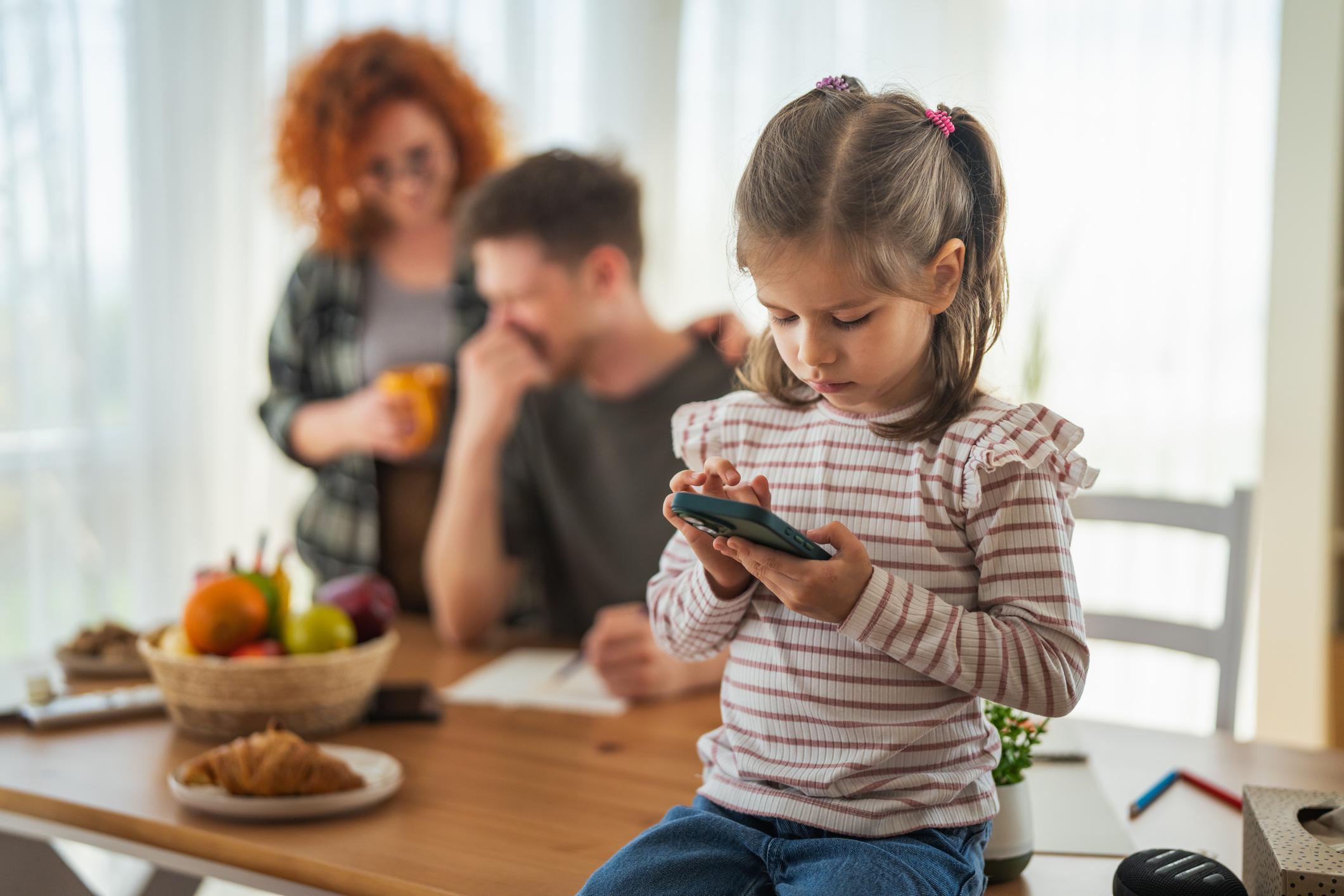
Tantrums, stubbornness and emotional outbursts are becoming increasingly noticeable among children. Instead of simply crying or sulking when their wishes are not fulfilled, some children resort to hitting others or even hurting themselves to express anger. Experts point out that several factors, including parenting styles, family relationships, individual temperament and school environments, can influence such behaviour. Excessive pampering, inconsistent discipline and a lack of emotional communication may make it difficult for children to develop patience, empathy and the ability to handle disappointment. Experts stress that parents should combine affection with clear boundaries, explain the reasons behind rules and avoid giving children everything they demand. Families should also maintain consistent expectations and spend quality time communicating with children.
Changing social trends and excessive exposure to screens are also influencing children's behaviour. Violent video games, aggressive scenes in entertainment and unrealistic lifestyles portrayed through social media and reels can shape young minds and create expectations that are difficult to fulfil in real life. Some behavioural conditions may also contribute to hyperactivity, defiance and difficulty controlling anger, requiring professional assessment and appropriate behavioural interventions. Schools, too, play an important role in shaping children's attitudes and social skills. Experts suggest that parent-teacher discussions should focus not only on academic performance but also on empathy, sharing, teamwork and how children respond to others' success. Parents should help children distinguish between online fantasy and real life while encouraging healthy habits, emotional awareness and positive behaviour.




















Comments (0)
No comments yet
Be the first to comment!