General


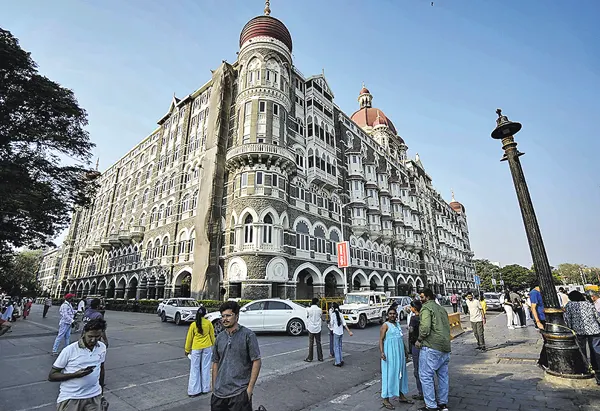
Eighteen years have passed since the 26/11 terror attacks shook Mumbai, India’s financial capital, but the memories of the tragedy continue to haunt the city. On November 26, 2008, ten Lashkar-e-Taiba terrorists entered Mumbai by sea from Pakistan and launched coordinated attacks on key locations, including Chhatrapati Shivaji Maharaj Terminus (CSMT), the Taj Mahal Palace Hotel, Trident Hotel, Nariman House, Leopold Cafe and the Cama Hospital area. The nearly 60-hour siege left 166 people dead and more than 300 injured. Mumbai Police, armed forces, Navy Marine Commandos and the National Security Guard (NSG) jointly brought the operation to an end on November 29. The attacks exposed serious gaps in coastal security, intelligence gathering and coordination among security agencies, prompting several measures to strengthen the country’s counterterrorism framework. Security personnel who lost their lives are being remembered at CSMT, Cama Hospital and other locations, with people paying tribute to the victims and those who fought the terrorists.
Meanwhile, questions remain over action against those accused of masterminding the attacks. The prosecution has reportedly said there has been little progress in implementing proclamation orders issued by a special court against six people, including Lashkar-e-Taiba figures Hafiz Saeed and Zaki-ur-Rehman Lakhvi. It also said the Union Home Ministry had not responded to its request for action. In another development, two lawyers who represented terrorist Ajmal Kasab before the Bombay High Court are still awaiting their professional fees. Amin Solkar and Farhana Shah were appointed by the Maharashtra government in 2010 and represented Kasab for nine months, setting aside other cases during that period. Although government orders provided for payment at specified rates, the lawyers say they are now being asked to submit detailed records of bills, hearing dates and hours spent in court. They have questioned the demand for such records after so many years, while officials maintain that supporting bills are mandatory under the rules. Abbas Kazmi, who represented Kasab in the trial court, received his remuneration on time.









Comments (0)
No comments yet
Be the first to comment!