
General


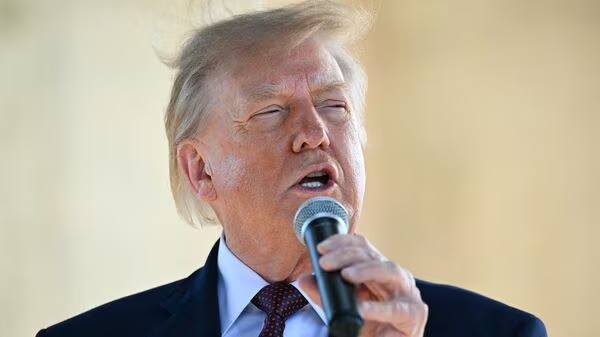
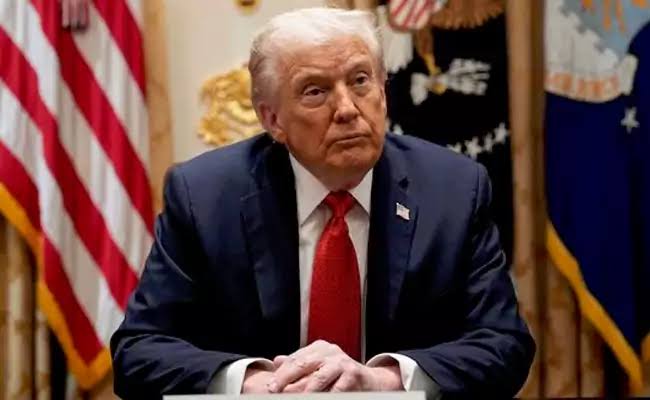
The results of the US midterm elections have significantly reshaped the balance of power in Congress and the political landscape in Washington. The Democratic Party's victory in both the House of Representatives and the Senate has weakened President Donald Trump's political position and ended the Republican Party's control over both chambers. The outcome has also sent a strong message that aggressive military interventions abroad can carry a heavy political cost at home. Rising living expenses, particularly higher fuel and essential commodity prices, emerged as major reasons behind voter dissatisfaction. The Iran war, which began in late February this year, pushed petrol and diesel prices sharply higher, placing an estimated additional burden of $1,230 on an average American household. Although Trump acknowledged that fuel prices affected his party's electoral performance, he continued to defend the military campaign as strategically necessary.
The Democratic majority is expected to place significant limits on Trump's freedom to implement his policies. Congress can block legislation, investigate government decisions through committees and exercise greater control over federal spending. The Senate can also influence appointments to senior government positions and federal judgeships. The election results could further complicate Washington's approach to the Iran conflict, particularly as disruptions to Gulf oil and LNG supplies have pushed global energy prices higher. Israel, which continues to seek strong American support against Iran, may also face greater scrutiny over military assistance and the financial costs of the conflict. The consequences extend beyond the United States, with rising energy prices, transportation costs and inflation affecting countries such as India. The IMF has projected a decline in global economic growth from 3.5% in 2025 to 3.1% in 2026. The election outcome highlights an important lesson: military superiority alone cannot guarantee political success. Governments must also ensure economic stability, energy security and public support for their foreign policies.









Comments (0)
No comments yet
Be the first to comment!