General


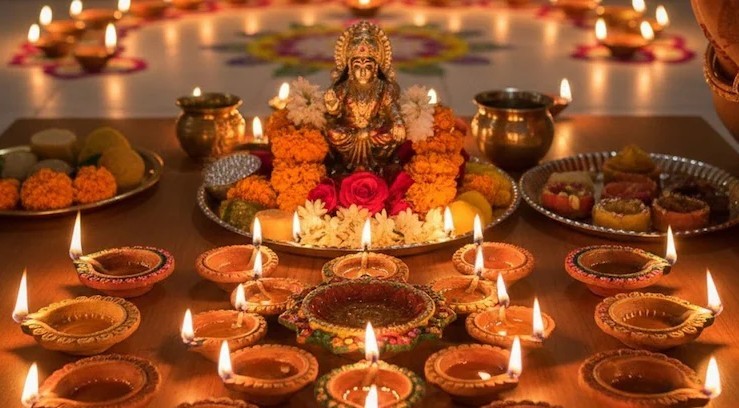
Dhanteras – November 6
Diwali is traditionally celebrated over five days, with each day having its own religious and cultural significance. This year, the celebrations begin on Friday, November 6, with Dhanteras, which marks the beginning of the festivities. Observed on the Trayodashi of the Ashwayuja month, this day is also celebrated as Dhanvantari Jayanti. According to Hindu mythology, Lord Dhanvantari emerged from the ocean during the churning of the cosmic ocean, carrying a pot of Amrita. Buying gold, silver, a new broom, vehicles and salt on this day is traditionally considered auspicious.
Naraka Chaturdashi
The second day of the five day Diwali celebrations is Naraka Chaturdashi, observed on the Chaturdashi of the Ashwayuja month. According to Hindu mythology, Lord Krishna, accompanied by his wife Satyabhama, defeated the demon Narakasura on this day. The occasion symbolises the victory of good over evil. Taking an Abhyanga Snanam, or traditional oil bath, and lighting a Yama Deepam facing the southern direction are among the customs followed on this day.
Diwali
The Festival of Lights: The third day is the main Diwali celebration, popularly known as the Festival of Lights. According to tradition, sesame oil is believed to be associated with Goddess Lakshmi on this day. People apply sesame oil before sunrise and take a traditional Abhyanga Snanam. In the evening, homes are decorated with lamps, families perform Lakshmi Puja and celebrate with firecrackers. Sharing sweets with relatives and friends is another popular tradition.
Bali Padyami
The fourth day of Diwali is celebrated as Bali Padyami, which also marks the beginning of the Kartika month. According to Hindu mythology, Lord Vishnu took the Vamana avatar and asked King Mahabali for three steps of land. He then assumed the form of Trivikrama and covered the three worlds with his three steps. Pleased with Mahabali’s generosity and sacrifice, Lord Vishnu granted him a boon to return to Earth every year on Kartika Shuddha Padyami and see his kingdom. Worshipping King Mahabali and Lord Vishnu is a tradition associated with this day.
Yama Dwitiya
The fifth and final day of the Diwali celebrations is Yama Dwitiya, observed on Kartika Shuddha Dwitiya. According to mythology, Yama, the god of death, visited his sister Yamuna’s home on this day and accepted her hospitality and food. Following this tradition, brothers visit their sisters, enjoy a meal prepared by them and offer gifts. It is believed that observing this custom strengthens the bond between brothers and sisters. These five days reflect the rich traditions, devotion and joy associated with Diwali. Celebrating them with family and passing these customs on to future generations is an important part of the festival.



Comments (0)
No comments yet
Be the first to comment!