
Politics


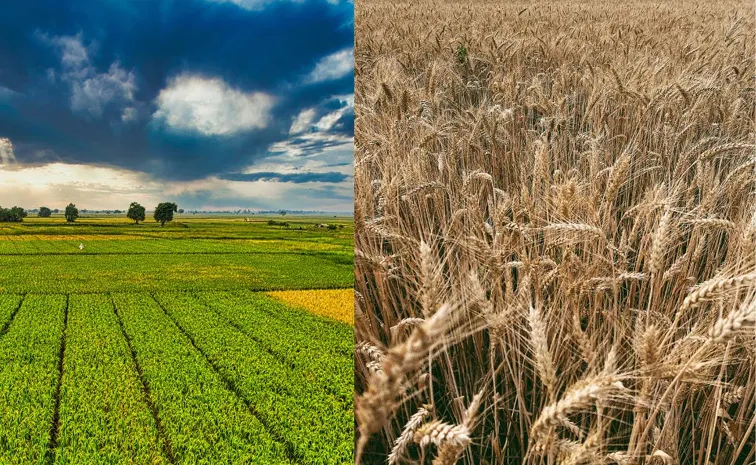
With monsoon rains recording a 43% deficit in several parts of the country, the Central Government has drawn up emergency action plans for 315 districts that are vulnerable to drought. Authorities have begun taking preventive measures to reduce the impact of a possible rainfall shortage. States considered to be at high risk include Andhra Pradesh, Telangana, Maharashtra, Tamil Nadu, Gujarat, Rajasthan, Karnataka, Bihar, Uttar Pradesh, Odisha, Madhya Pradesh, and Jharkhand.
Of the 315 districts identified, 111 have been classified as highly vulnerable, as less than 25% of their cultivated land is supported by irrigation facilities. Another 76 districts have been placed in the moderate-risk category, while conditions in the remaining 128 districts are relatively better. To prepare for potential drought conditions, the government is stocking additional seeds, monitoring fertilizer availability, speeding up the construction of check dams and farm ponds, and ensuring sufficient fodder supplies for livestock. Farmers are being advised to shift towards water-efficient crops such as millets, pulses, and oilseeds and to use available water resources judiciously. Contingency plans developed jointly by the Indian Council of Agricultural Research (ICAR) and state governments include crop diversification, alternative farming practices, and water conservation measures. The Centre is also closely tracking El Nino conditions, which have historically been linked to severe droughts, including the devastating drought of 2002 that significantly affected agricultural output across the country.












Comments (0)
No comments yet
Be the first to comment!