





Movies

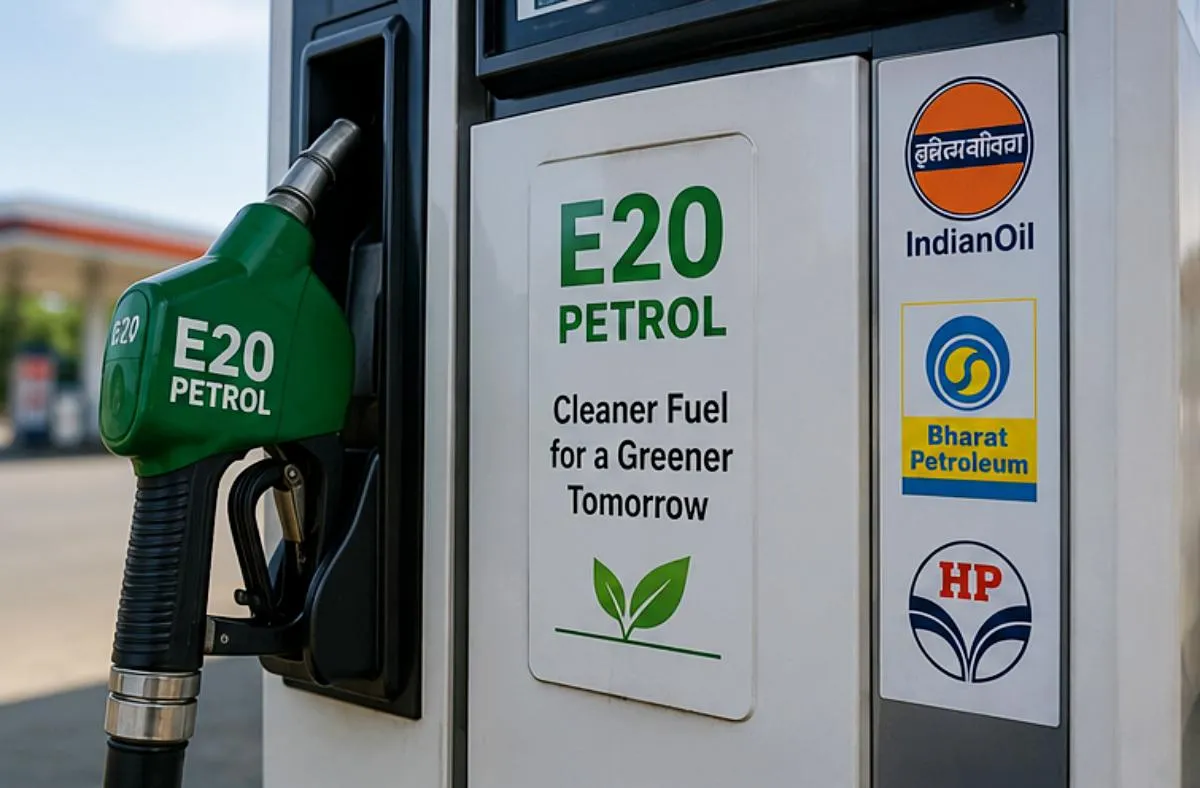
A controversy has emerged over E20 fuel, which contains 20% ethanol blended with petrol, after the Society of Indian Automobile Manufacturers (SIAM) raised concerns about elevated chloride levels. According to SIAM, excessive chloride in E20 fuel could lead to corrosion and permanent damage to critical engine components such as fuel injectors, fuel pumps, EGR valves, and exhaust systems. The automobile industry body has urged the Ministry of Petroleum to prescribe mandatory chloride limits in fuel and ensure stricter quality control by Oil Marketing Companies (OMCs). SIAM claimed that fuel samples collected from vehicle tanks showed chloride levels of up to 500 mg/kg, while samples from retail outlets recorded around 350 mg/kg.
Responding to the concerns, the Ministry of Petroleum and Natural Gas said that fuel quality is being monitored regularly across the country and there is no compromise on standards. The ministry stated that water content is tested 8–12 times daily at more than 87,000 fuel stations, while over 2,000 samples have been examined for chloride and sulphide contamination. Only two cases of excessive chloride were detected, and fuel sales at those outlets were immediately suspended. SIAM reiterated that it supports the nationwide rollout of E20 fuel but stressed that stricter quality control measures are essential to protect vehicle engines.











Comments (0)
No comments yet
Be the first to comment!