

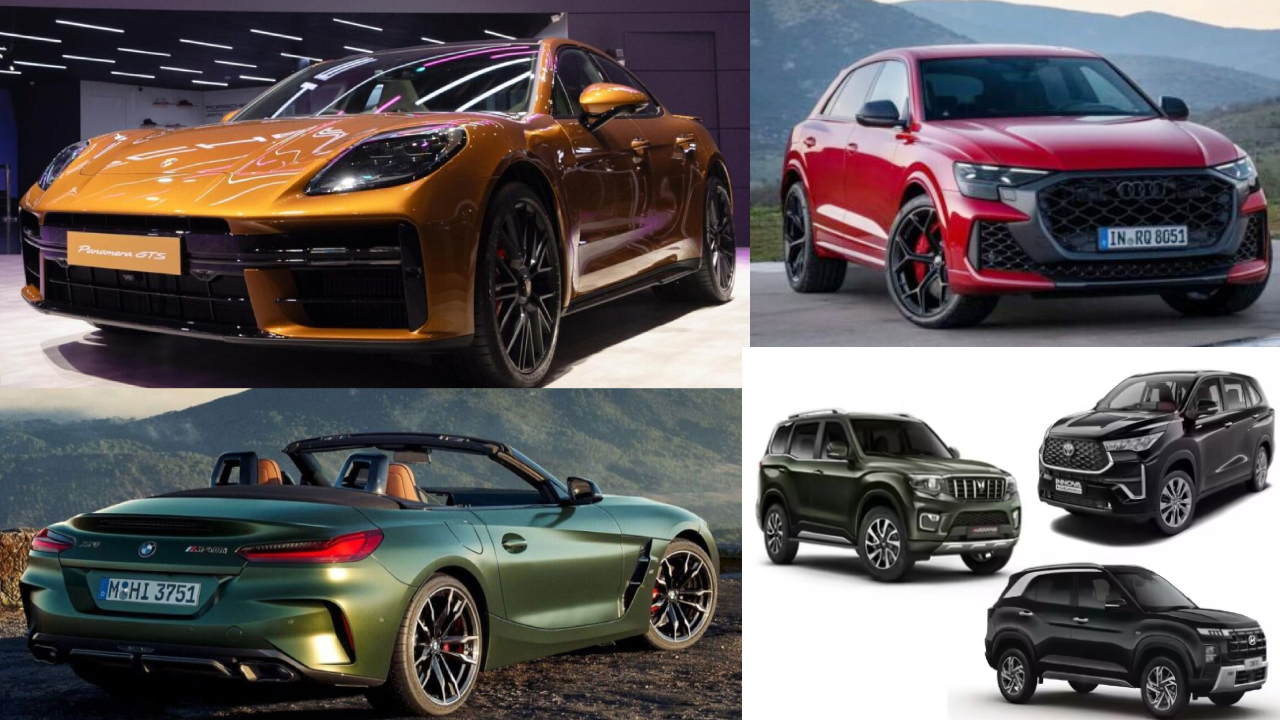
The impact of the India–EU (European Union) Free Trade Agreement (FTA) on the domestic automobile industry is gradually becoming clearer. Initially, there was widespread expectation that the agreement would lead to a sharp reduction in prices of luxury cars such as BMW, Mercedes-Benz, Skoda and Lamborghini. However, this enthusiasm has moderated after it became clear that customs duty reductions will apply only within specific quotas and price limits.
At present, imported cars priced up to USD 40,000 (approximately ₹36.8 lakh) attract a 70 percent import duty, while cars priced above this level are subject to a 110 percent duty. Under the India–EU FTA, these duties are expected to be reduced to 40 percent initially and then gradually brought down to 10 percent. This raised hopes that luxury cars would become significantly more affordable. However, the government has imposed two key conditions: imported vehicles from the EU must have a minimum value of €15,000 (around ₹16.5 lakh) and annual imports are capped at 250,000 units. If this limit is exceeded, the higher import duty of 110 percent will continue to apply.
In this context, industry experts believe that there is little threat to sales or to the “Make in India” initiative for luxury car manufacturers such as Mercedes-Benz, BMW, Skoda and Audi, which already operate manufacturing facilities in India. These companies not only produce vehicles locally but also source a substantial portion of their components domestically, helping to safeguard the domestic automobile ecosystem.



















Comments (0)
No comments yet
Be the first to comment!