

General


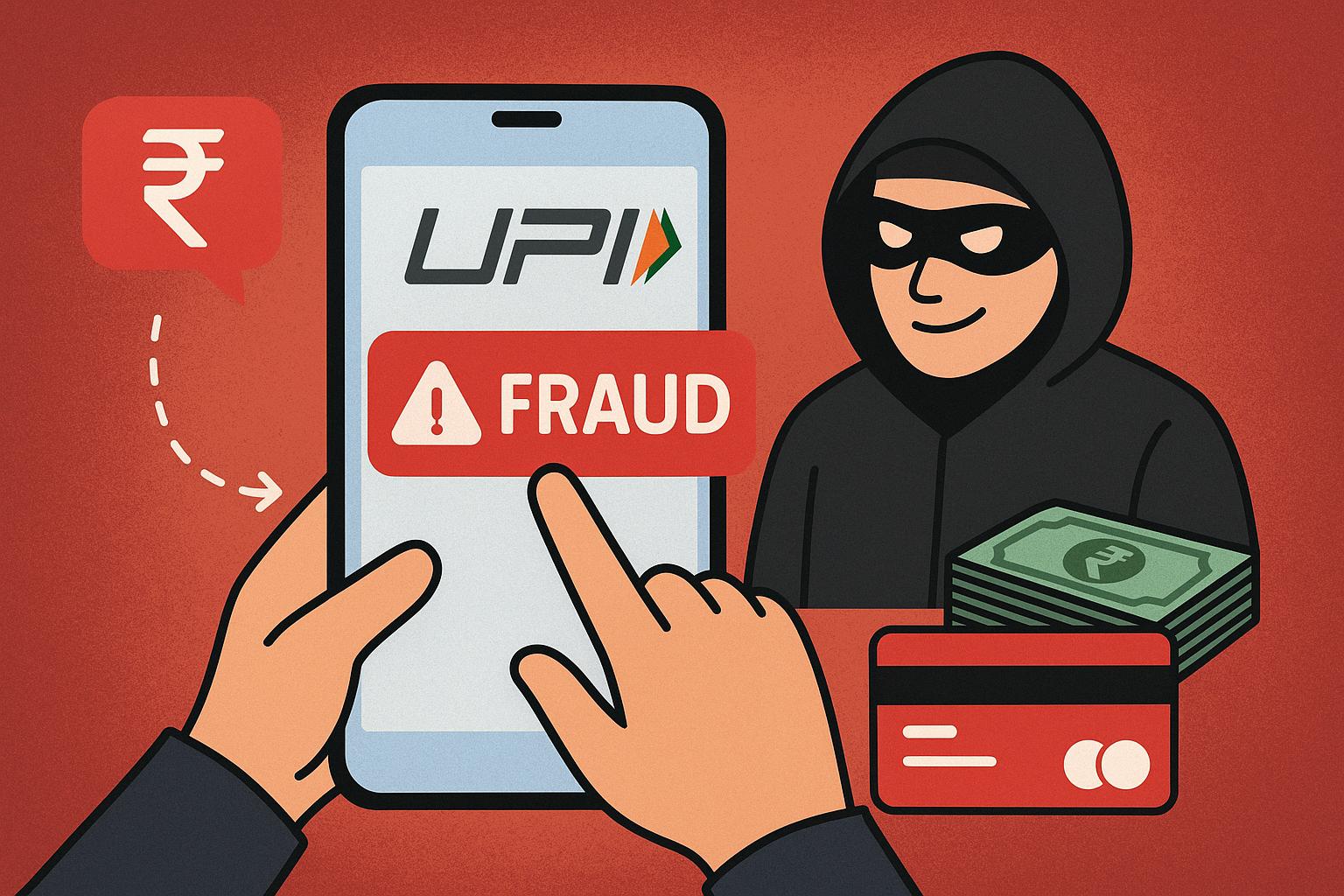
The festive season brings attractive online shopping deals, discounts and cashback offers, but it also creates opportunities for cybercriminals to target unsuspecting consumers. Fraudsters are using fake shopping websites, misleading social media advertisements, phishing links and counterfeit applications to cheat shoppers. In some cases, buyers pay for products that are never delivered, while fraudulent cashback links trick users into entering their UPI PINs or sharing banking details, resulting in unauthorised debits. Fake WhatsApp messages claiming that the government is offering an ₹8,000 Diwali bonus in the Prime Minister’s name have also been flagged as fraudulent. Cybersecurity experts warn that artificial intelligence and leaked personal information are making scam messages, websites and payment requests increasingly convincing. They advise consumers to verify every offer through official brand platforms and avoid clicking on links received from unknown sources.
Experts recommend shopping only through verified websites and official applications, checking seller credentials and customer reviews, and using secure payment methods with transaction alerts enabled. Consumers should never share OTPs, UPI PINs, CVVs, passwords or banking information with anyone. A UPI PIN is required to authorise a payment, not to receive cashback or a refund. Shoppers should also avoid downloading APK files or applications from unverified links and independently confirm delivery-related messages through official courier channels. Suspicious transactions must be reported to banks immediately. Consumers who experience cyber fraud can contact the national cybercrime helpline at 1930 or file a complaint at cybercrime.gov.in. Experts stress that both consumers and businesses must remain alert, as fraudsters are increasingly using AI to impersonate trusted brands, delivery agents and customer care representatives.


















Comments (0)
No comments yet
Be the first to comment!