



General


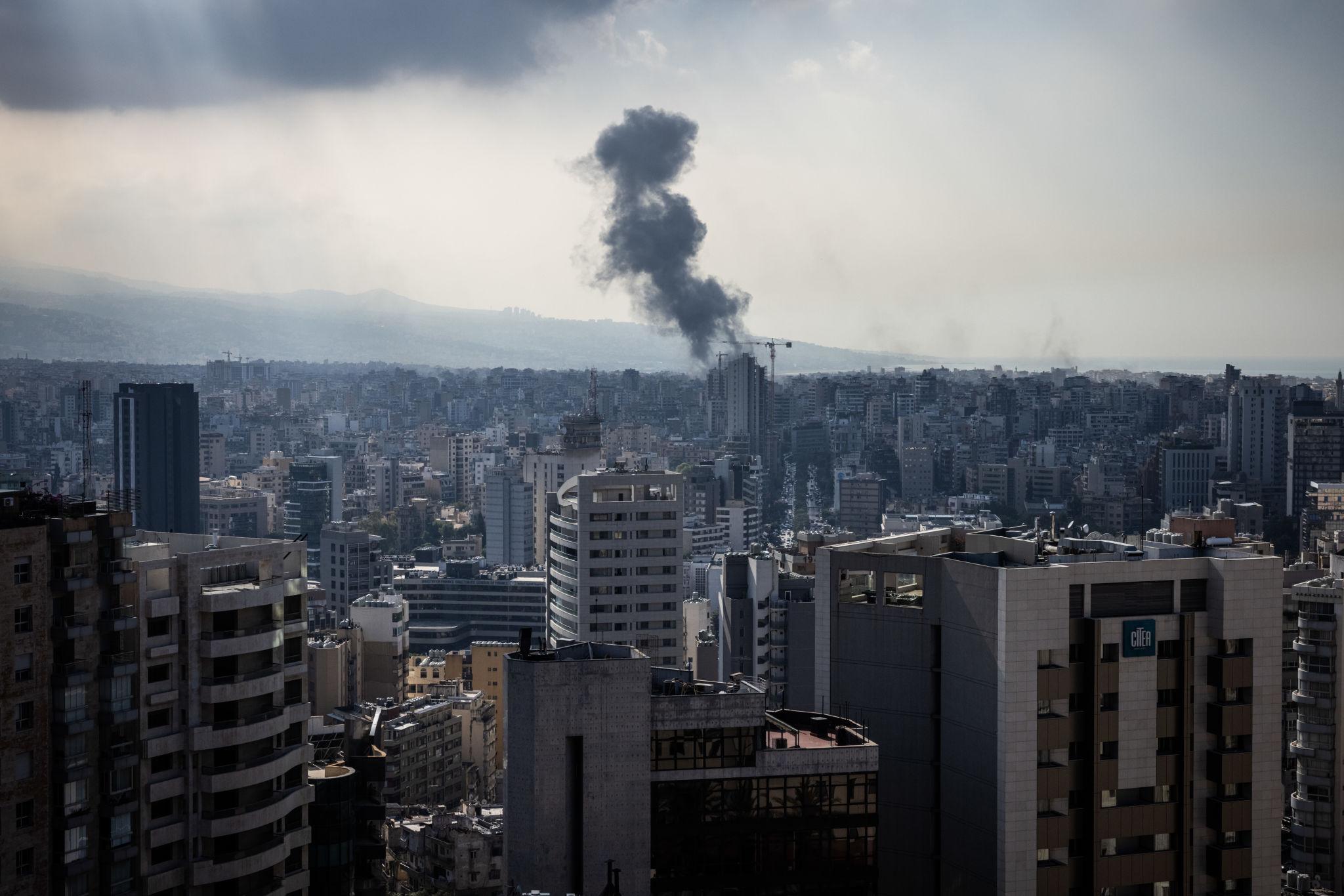
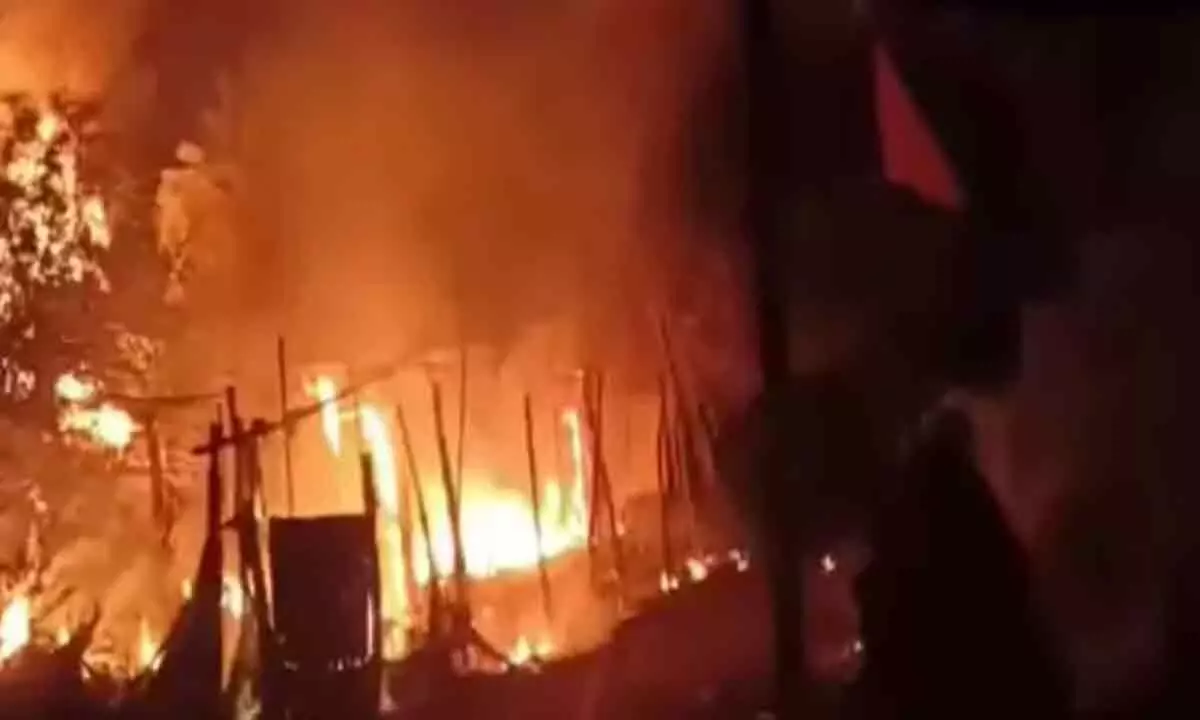
The conflict in West Asia intensified dramatically on the fourth day of hostilities, with the United States and Israel launching coordinated strikes on Iran and Lebanon. Airstrikes reportedly targeted key installations in Tehran, including the presidential complex and nuclear facilities, while Hezbollah positions in southern Lebanon came under heavy assault. Israeli ground forces advanced into parts of southern Lebanon as cross-border hostilities escalated. Iran retaliated by targeting American military bases and diplomatic missions in the Gulf region, while drone and missile attacks were reported near strategic energy infrastructure. Casualties have mounted sharply, with hundreds reported dead in Iran and dozens in Lebanon. Six American service members were killed and several injured in attacks in Kuwait. Amid the deteriorating security situation, airports across the region remained shut, and multiple countries began evacuating their citizens.
Tensions further escalated after Iran announced the closure of the Strait of Hormuz, a critical global oil transit route, warning of severe consequences for vessels attempting passage. Several oil tankers remain stranded in the Persian Gulf and Gulf of Oman, raising global supply concerns. Drone strikes were also reported near energy facilities in Saudi Arabia and data centers in the UAE and Bahrain. Hezbollah declared readiness for open war, claiming drone attacks on Israeli airbases, which Israel said were intercepted. In response to rising threats, Western nations including the United Kingdom and France deployed naval assets to safeguard regional stability. Russian President Vladimir Putin reportedly assured Gulf states of diplomatic engagement with Iran. The unfolding crisis has triggered global alarm, with international leaders urging restraint amid fears of a broader regional war.











Comments (0)
No comments yet
Be the first to comment!