

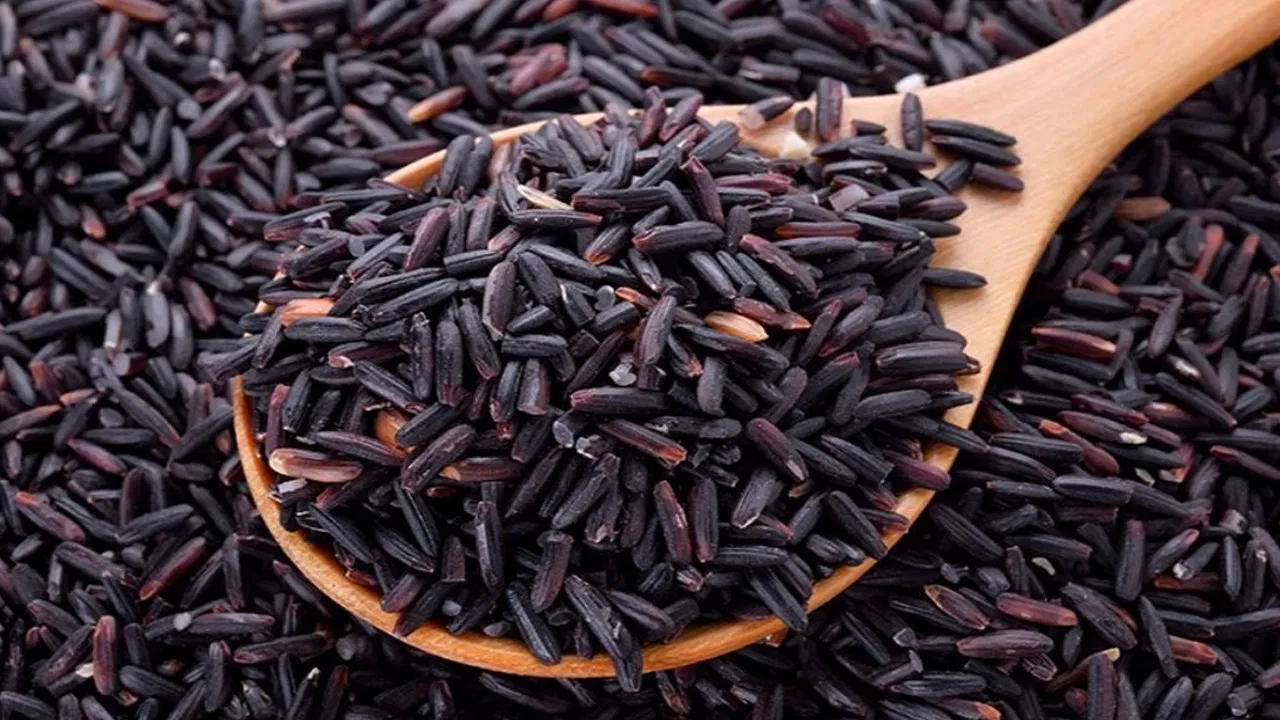
Rice plays a central role in our daily diet, and for many, a meal feels incomplete without it. Consuming rice two or even three times a day is common practice and it features in everything from breakfast items to main meals. However, with the rising incidence of lifestyle-related health issues, people are becoming increasingly conscious about their food choices. As a result, black rice is gaining popularity as a healthier alternative to white rice. Rich in fiber, protein and iron, black rice also contains high levels of antioxidants. It supports better digestion and helps strengthen the immune system.
Black rice contains anthocyanins, powerful compounds that help eliminate free radicals from the body. These antioxidants reduce oxidative stress and protect cells from premature aging. The nutrients present in black rice may also help lower the risk of certain cancers while improving overall digestive health. Additionally, anthocyanins contribute to liver detoxification and may enhance vision.
The flavonoids and phytochemicals in black rice help reduce bad cholesterol and triglyceride levels, thereby lowering the risk of heart-related conditions. It aids in cleansing the body internally, protects liver function, and assists in regulating blood sugar levels. Due to its low glycemic index (GI), black rice is particularly suitable for individuals with type 2 diabetes. Moreover, those looking to manage or reduce their weight can consider incorporating black rice into their diet as a healthier substitute for white rice.
Note: The information provided here is for awareness purposes only. We do not assume any responsibility for its use. Individuals with health concerns should consult a qualified doctor or nutritionist before following any of these suggestions.


















Comments (0)
No comments yet
Be the first to comment!