
General


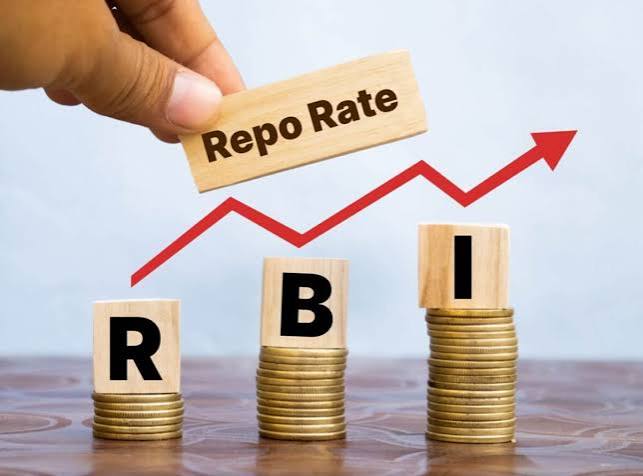
Interest rates in India may rise further rather than decline, according to a report by IDFC First Bank Economic Research. The report expects the Reserve Bank of India’s Monetary Policy Committee (MPC) to increase the key repo rate by 0.25 percentage points at its December 2–4 meeting and by another 0.25 percentage points at its February 2027 meeting. If these hikes take place, the repo rate, currently at 5.5%, could reach 6% by February. The report also does not rule out another 0.25 percentage-point increase in April 2027, depending on economic conditions. Banks and non-banking financial companies (NBFCs) use the RBI’s repo rate as an important benchmark when setting their lending and other interest rates.
The report also expects the rupee to remain under pressure against the US dollar, even if foreign portfolio investor (FPI) inflows improve. It points to the RBI’s net short position of around $239 billion in the forward foreign exchange market as a factor limiting the rupee’s recovery. According to the report, India’s foreign exchange reserves, which were equivalent to around ten months of imports in October last year, had declined to cover approximately seven months of imports by the end of last month. The report suggests that the RBI may need to absorb incoming dollars in the coming years to manage this position. However, it does not expect a sharp fall in the rupee either, projecting that the currency could trade in the range of ₹92–₹96 per US dollar between December 2026 and June 2027.
There may be some relief on the crude oil front, according to the IDFC First Bank report. The average price of the crude oil imported by India, which stood at around $102 per barrel during the first seven months of the current financial year, is expected to decline to approximately $85 per barrel over the next five months. The report further notes that crude oil prices could fall more sharply if a ceasefire is reached between the United States and Iran. Lower oil prices could help ease India's import bill and reduce pressure on the economy. However, these figures are forecasts and will depend on global market conditions and geopolitical developments.















Comments (0)
No comments yet
Be the first to comment!