

Sports

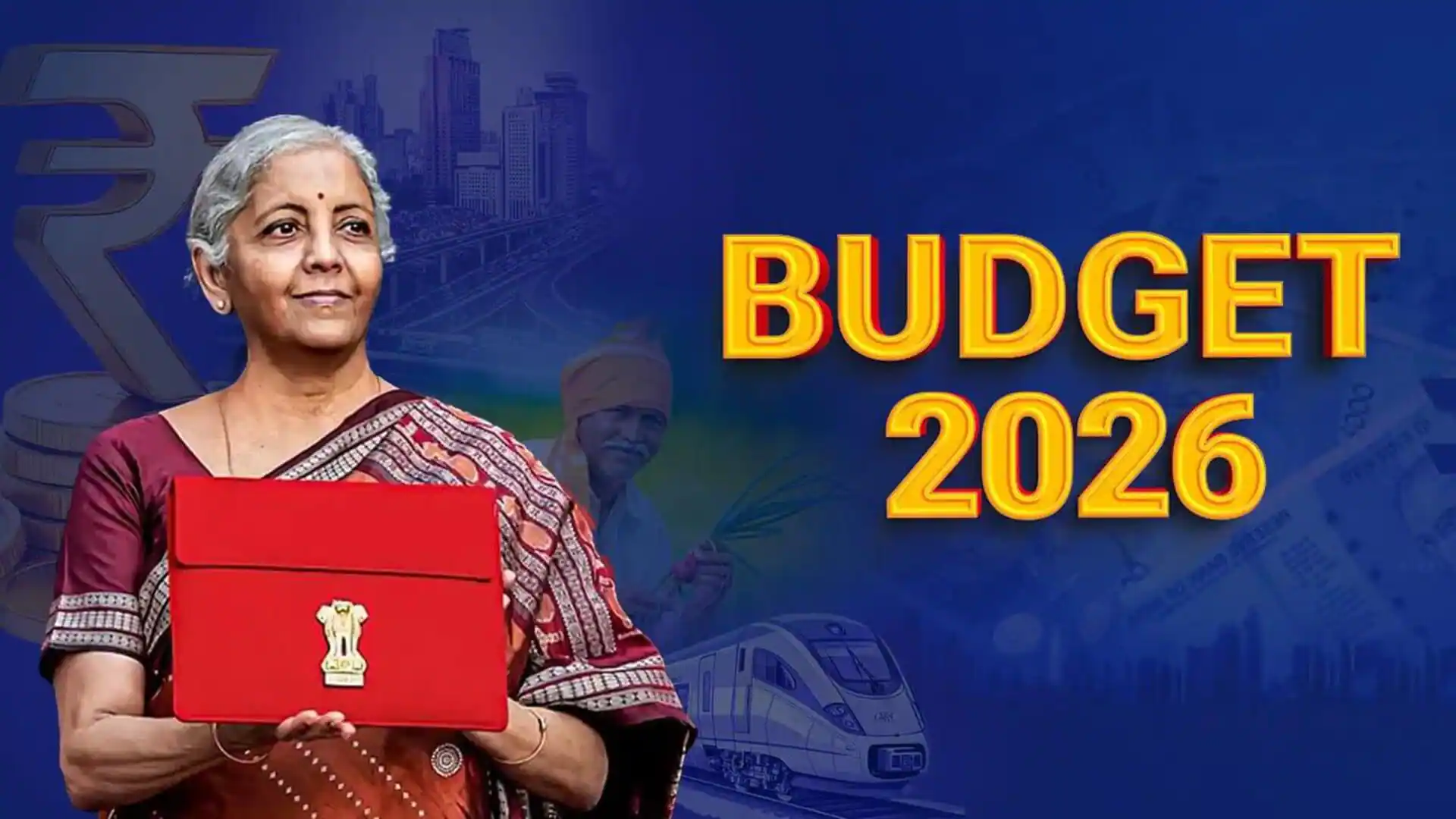
The Union Government is set to present the Budget in Parliament soon, and expectations among the general public are already running high. While last year’s tax cuts provided significant relief to salaried individuals, those following the old tax regime were left disappointed as no specific benefits were announced for them. Against this backdrop, an intense debate has emerged over whether Budget 2026 will completely phase out the old tax regime or introduce reforms that offer broader public benefit.
In the previous Budget, increasing the standard deduction to ₹75,000 and enhancing the Section 87A rebate up to ₹60,000 brought substantial relief to the middle class. As a result, individuals with annual incomes of up to ₹12 lakh were exempted from paying income tax. However, the slabs, deductions, and exemptions under the old tax regime remained unchanged. This has led to growing discussions on whether the upcoming Budget will introduce changes to benefits such as Sections 80C and 80D, home loan interest deductions, and NPS incentives, or whether the old tax regime will be brought to an end altogether. There is also speculation that limited exemptions for investments in insurance, retirement planning, and real estate may be introduced under the new tax regime to strike a better balance.
At the same time, there are strong demands to simplify income tax rules, speed up ITR refunds, and address persistent issues related to TDS, frequent income tax notices, and lack of clarity in compliance requirements. Calls are also growing for special tax slabs, higher rebates, and enhanced health-related deductions for senior citizens. However, experts believe that major tax cuts may be unlikely this year. Instead, the government is expected to focus on further simplifying and rationalising the new tax regime, aiming for a more balanced and taxpayer-friendly framework.


Comments (0)
No comments yet
Be the first to comment!