
Business


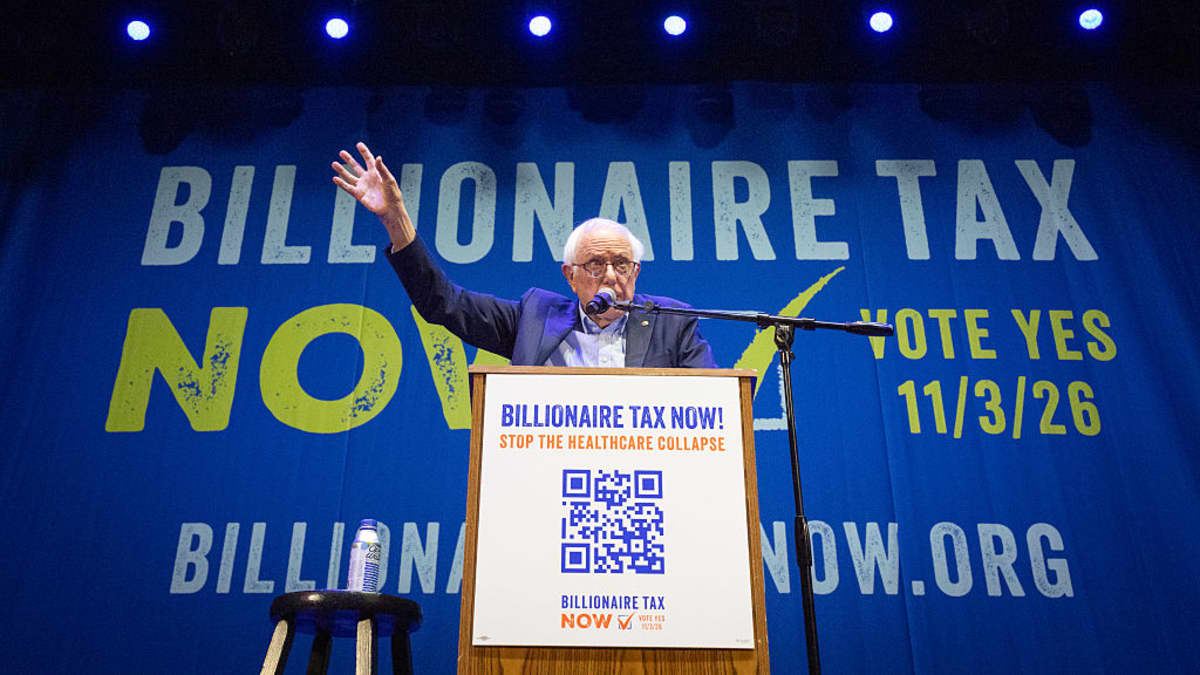
California voters have rejected Proposition 40, a proposal to impose a one-time 5% tax on the covered wealth of billionaires living in the state. The measure aimed to tax individuals and trusts with covered assets worth more than $1 billion. Had it been approved, 90% of the revenue would have gone towards healthcare services, while the remaining 10% would have supported food assistance and education-related programmes. The proposal’s rejection has dealt a setback to efforts to raise funds for healthcare by taxing the wealthiest residents.
California is home to around 200 billionaires, and the proposal was expected to generate tens of billions of dollars over several years. Supporters, including healthcare workers’ unions, argued that the revenue could help address funding gaps caused by federal healthcare cuts under the Trump administration. However, the proposal faced opposition from several political leaders and business figures. Governor Gavin Newsom warned that the tax could encourage wealthy residents to move out of California, potentially reducing the state’s income-tax revenue. Google co-founder Sergey Brin also supported the campaign against the measure and reportedly contributed more than $100 million to the opposition effort.
Dave Regan, president of the healthcare workers’ union SEIU-UHW, said supporters would continue their efforts and consider bringing back a billionaire tax proposal in 2028. The debate has highlighted divisions over how California should fund healthcare and other public services. While supporters viewed the tax as a way to make the wealthiest contribute more, opponents raised concerns about its impact on investment, businesses and state revenues. The rejection has once again brought the debate over wealth inequality and taxation of the ultra-rich into the spotlight.















Comments (0)
No comments yet
Be the first to comment!