Sports


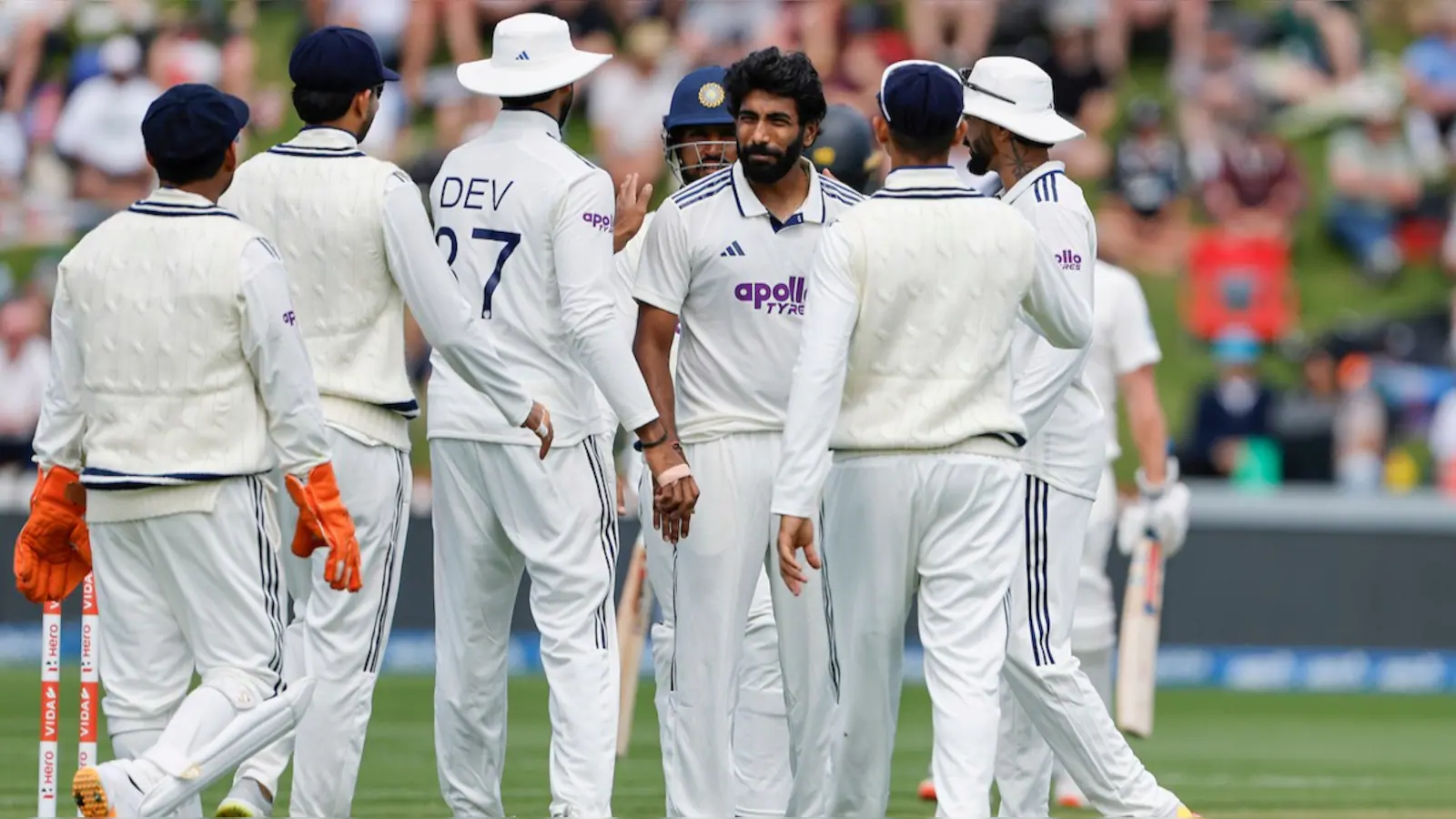
India missed a golden opportunity to register a victory in the first Test against New Zealand despite holding a massive 233-run lead. Fans expected the Indian bowlers to wrap up the remaining eight wickets and secure a win, but the team managed to take only three wickets throughout the day, allowing New Zealand to escape with a draw. While the bowlers looked competitive until the afternoon session, they struggled to make breakthroughs later in the day. However, experts believe the result cannot be attributed entirely to the bowlers' poor performance. The flat pitch offered little assistance, making it difficult to generate pace and movement. India's first-innings total of 720 runs, the highest Test score by a visiting team in New Zealand, had already indicated how favourable the batting conditions were.
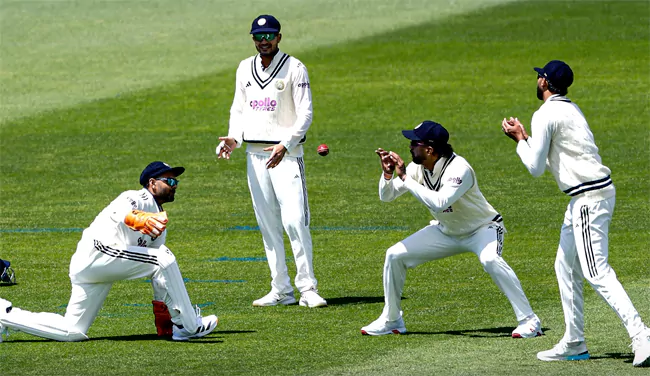
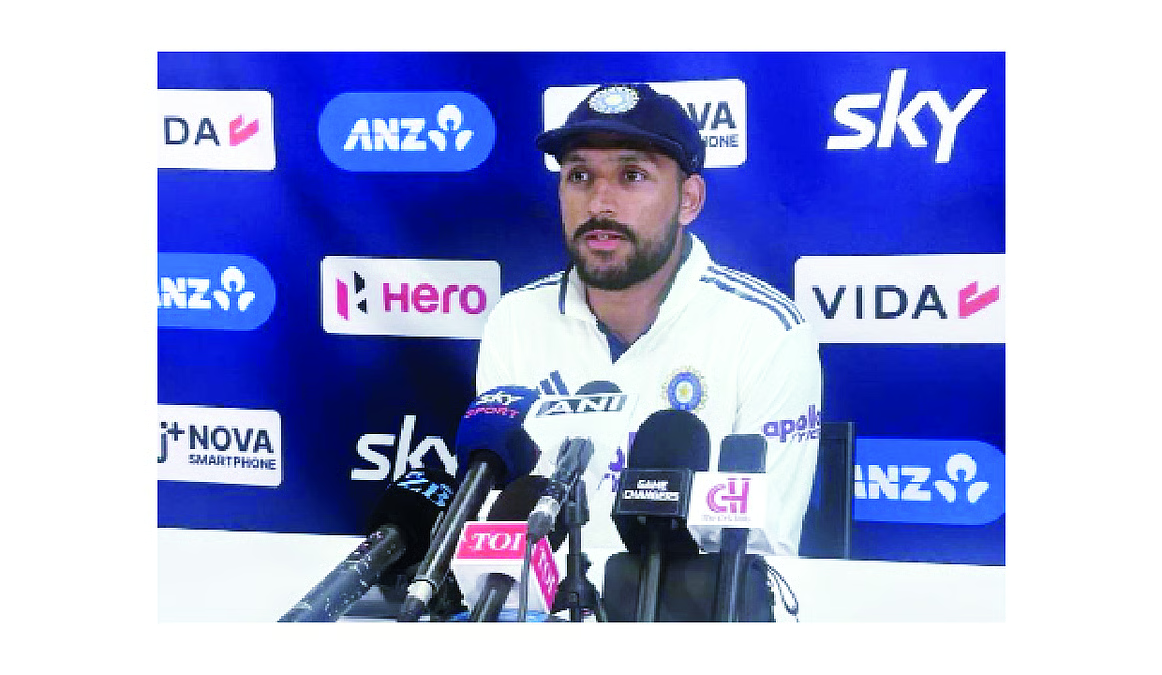
The condition of the Kookaburra ball also became a major talking point, as players from both teams expressed concerns that it lost its shine and became soft after just 25–30 overs, reducing the chances of seam and swing movement. Indian captain Shubman Gill questioned the continued ban on applying saliva to the ball, arguing that the restriction should be reconsidered several years after the COVID-19 pandemic. He also pointed out that the pitch lacked pace and urged authorities to allow players to use saliva to maintain the ball's condition. Meanwhile, Gill faced criticism over his captaincy and field placements on the final day. Experts questioned the removal of close-in fielders such as short leg and second slip, as well as the lack of effective field placements against Mitchell's leg-side-oriented batting. Questions were also raised over India's decision to settle for a draw with nearly an hour of play remaining.













Comments (0)
No comments yet
Be the first to comment!