Politics


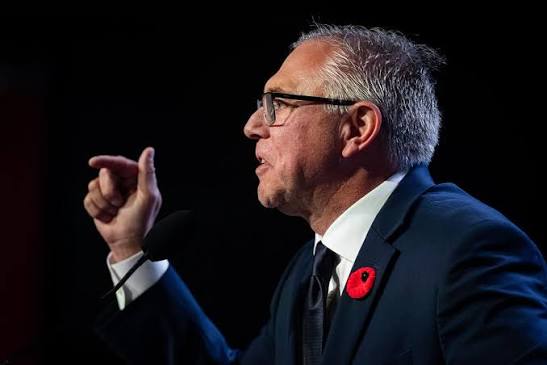
Political equations have changed in Canada’s British Columbia province, with the Conservative Party ending nine years of New Democratic Party (NDP) rule. In the provincial election held on October 24, 2026, the Conservatives secured 64 of the 93 legislative seats, comfortably crossing the 47-seat majority mark. The NDP won 27 seats, while the Green Party secured two. The victory marks the Conservatives’ return to power in British Columbia for the first time since 1928. Following the defeat, NDP leader and outgoing Premier David Eby acknowledged the result and announced that he would step down as party leader. The Conservative campaign was led by interim leader Lorne Doerkson, who is now positioned to lead the incoming government.
The new government is expected to prioritise the energy sector, natural gas and liquefied natural gas (LNG) development, and business-friendly policies. The Conservatives have pledged to double LNG production by 2032 and triple it by 2035. Their plans also include speeding up project approvals, reviewing emissions limits and overhauling the provincial carbon pricing framework. The party has indicated that it will approach international energy companies, including ExxonMobil, Chevron and Woodside, to explore fresh investment opportunities in the province. Meanwhile, trade tensions with the United States, including tariff-related uncertainty under President Donald Trump, have added to concerns among Canadian businesses and exporters. The incoming government is expected to focus on attracting investment, supporting businesses, creating jobs and strengthening British Columbia’s economy.











Comments (0)
No comments yet
Be the first to comment!