


General


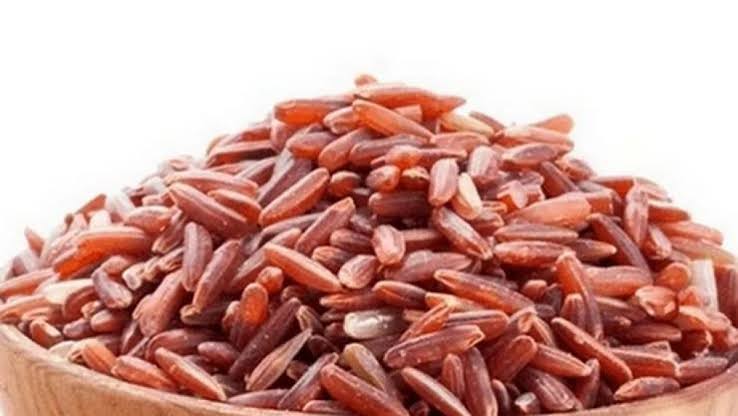
White rice is a staple food in many households, but red rice offers several nutritional benefits compared to polished white rice. Traditionally, red rice was widely consumed by previous generations, but its popularity has declined with changing dietary habits. During the polishing process, white rice loses much of its outer bran layer, reducing its fibre and certain nutrients. In contrast, red rice retains its natural bran layer, making it a good source of dietary fibre and B vitamins. It also contains essential minerals such as iron, zinc, magnesium, manganese, selenium and phosphorus. Additionally, red rice is rich in antioxidants, particularly anthocyanins, which give it its distinctive reddish colour. These antioxidants help protect cells from oxidative stress and may support heart health.
Red rice can also be a beneficial dietary option for people managing diabetes. Its relatively lower glycaemic index compared to white rice may help slow the rise in blood sugar levels after meals. However, portion size and overall dietary habits also play an important role in blood sugar management. Another significant benefit is its high fibre content, which promotes a feeling of fullness and helps control hunger for longer periods. This may reduce excessive food consumption and support healthy weight management. Including red rice as part of a balanced diet can therefore be a nutritious alternative to polished white rice. However, people with diabetes should consider their individual dietary requirements before making changes to their regular meals.















Comments (0)
No comments yet
Be the first to comment!