

OTT


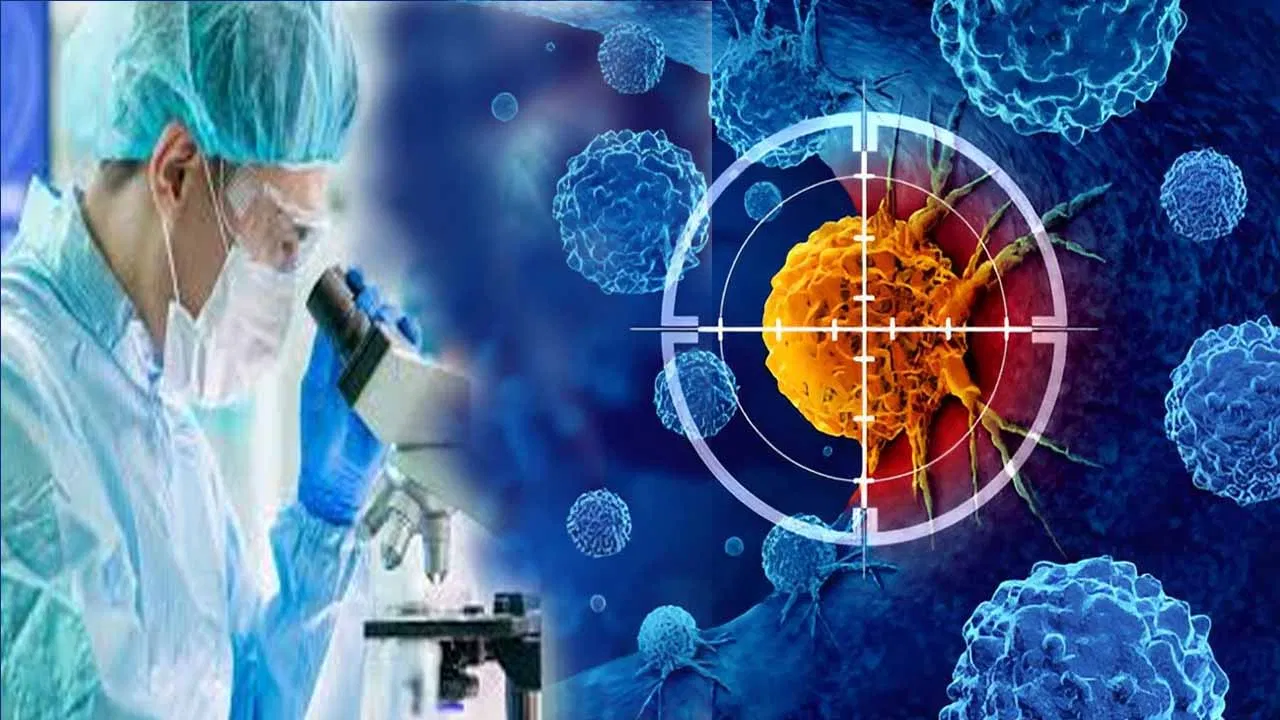
The word “cancer” still evokes fear among many people. Concerns about treatment methods and the possibility of recovery continue to persist. In recent years, a treatment approach called immunotherapy has been increasingly used in cancer care. In this method, the body’s immune system is trained to fight cancer cells. The immune system identifies and destroys cancer cells. However, a question remains whether this treatment is suitable for every cancer patient.
Immunotherapy is a treatment method that uses the body’s immune system to combat cancer. While the immune system normally protects the body, cancer cells can evade it and gradually spread. This is where immunotherapy plays a crucial role. According to Dr. Aravind Kumar from the Medical Oncology Department at AIIMS, New Delhi, this treatment trains immune cells to recognize and destroy cancer cells. Earlier, chemotherapy and radiation were the primary treatment options. Although they are still essential, they often cause side effects such as hair loss, fatigue and weakness. Conventional chemotherapy affects not only cancer cells but also healthy cells, whereas immunotherapy primarily targets cancer cells. It has shown promising results in cases such as lung cancer, kidney cancer and melanoma, according to medical experts.
However, Dr. Aravind Kumar notes that immunotherapy does not work equally for all cancer patients. While some patients experience highly positive outcomes, others may see only limited benefits. Therefore, doctors determine the appropriate treatment based on the patient’s overall health condition, the type of cancer and its stage. Immunotherapy is not only a modern treatment method but also represents a promising direction for future advancements. Research in this field is ongoing, with new drugs and techniques being developed. Nevertheless, experts emphasize that it cannot be guaranteed to work for every patient or ensure complete recovery in all cases.
Note: This information is for awareness purposes only and is not a substitute for medical advice, diagnosis, or treatment. For any health concerns, please consult a qualified healthcare professional immediately.

















Comments (0)
No comments yet
Be the first to comment!