General


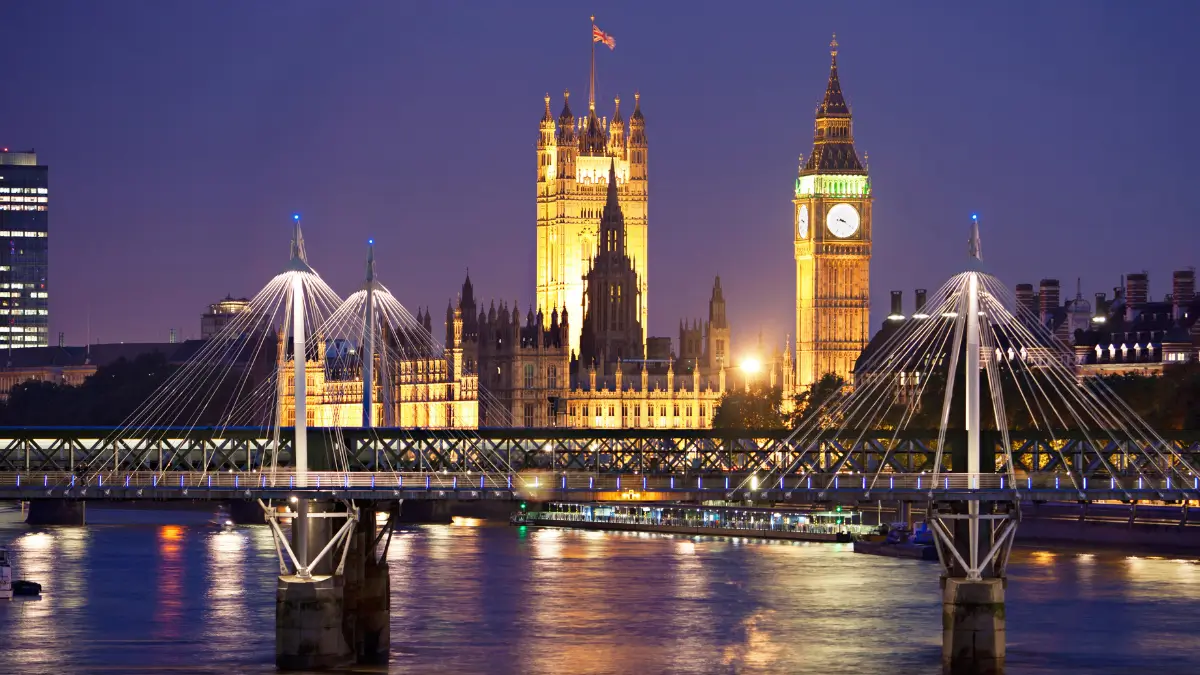
India is home to several cities known by distinctive names that reflect their history, culture and character. Jaipur is popularly known as the Pink City, Udaipur as the City of Lakes and Mumbai as the City of Dreams. Similarly, Kolkata, the capital of West Bengal, is often referred to as the “London of India” because of its historical and cultural connections with Britain’s capital. Formerly known as Calcutta, Kolkata served as the capital of British India for several decades. During that period, the British developed the city as an important centre for administration, trade and commerce. Grand colonial-era buildings, wide roads, educational institutions and courts gave Kolkata a distinct European architectural appearance. Even today, several structures and old transport systems preserve reminders of the city’s colonial past.
Kolkata’s growth accelerated during the 18th century, when the East India Company established its administrative and commercial base there. The city later became the centre of British rule in India, attracting significant investment in infrastructure and public institutions. Another similarity with London is its connection with a major river. While London developed along the River Thames, Kolkata grew along the Hooghly River, which played an important role in trade and transportation. Ships from different parts of the world used this waterway to access the region. Kolkata is also known for its trams, a transport system introduced during the British era. Although trams gradually disappeared from many other Indian cities, they continue to operate in Kolkata, preserving a unique link to its past. Alongside these historic features, the city is also embracing modern development, with new industries, commercial spaces and high-rise buildings shaping its changing skyline.







Comments (0)
No comments yet
Be the first to comment!