

Sports


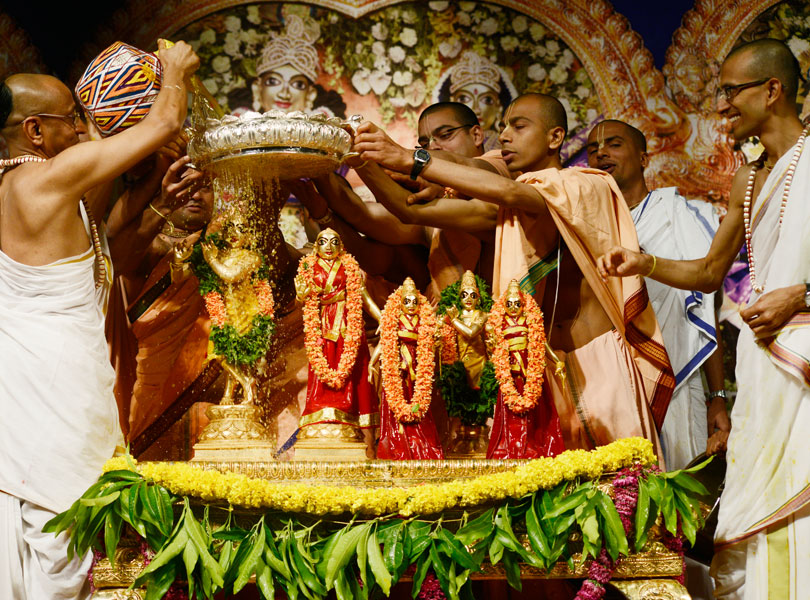
In Hindu tradition, worshipping God is not limited to chanting mantras, performing aarti or offering food. Devotees also express their love and devotion by treating the deity as a member of their family, sometimes even as a little child. This belief is reflected in several temples and households, where worship rituals change according to the seasons. With the arrival of winter, special care is taken while choosing the deity’s clothes, bathing rituals and food offerings. Woollen clothes, shawls and quilts are offered to keep the deity warm, reflecting the devotees’ affection and spirit of service.
The practice is particularly observed in temples where Lord Krishna and Lord Balarama are worshipped in their child forms. Just as people wear sweaters, shawls and blankets to protect themselves from the cold, devotees dress the deities in warm clothing. Woollen sweaters, velvet garments, shawls and caps are used to decorate the idols. Different outfits may be offered in the morning and evening, while warm blankets are placed over the deities during the night-time resting ritual. In some temples, the bathing rituals are also adjusted during winter, with lukewarm water used instead of cold water. The deities are then dressed in warm clothes immediately after the bath.
Seasonal changes are also reflected in the food offerings made to the deities. During winter, devotees prepare special offerings using jaggery, sesame seeds, ghee and dry fruits. Warm milk, kheer, halwa and other traditional sweets are also offered. Bal Gopal, in particular, is offered saffron-infused milk, butter, dry fruits and warm kheer. These customs reflect the belief that God should be cared for with the same love and affection shown to family members. Through these seasonal rituals, devotees express their devotion, compassion and dedication to serving the divine.














Comments (0)
No comments yet
Be the first to comment!