
Sports


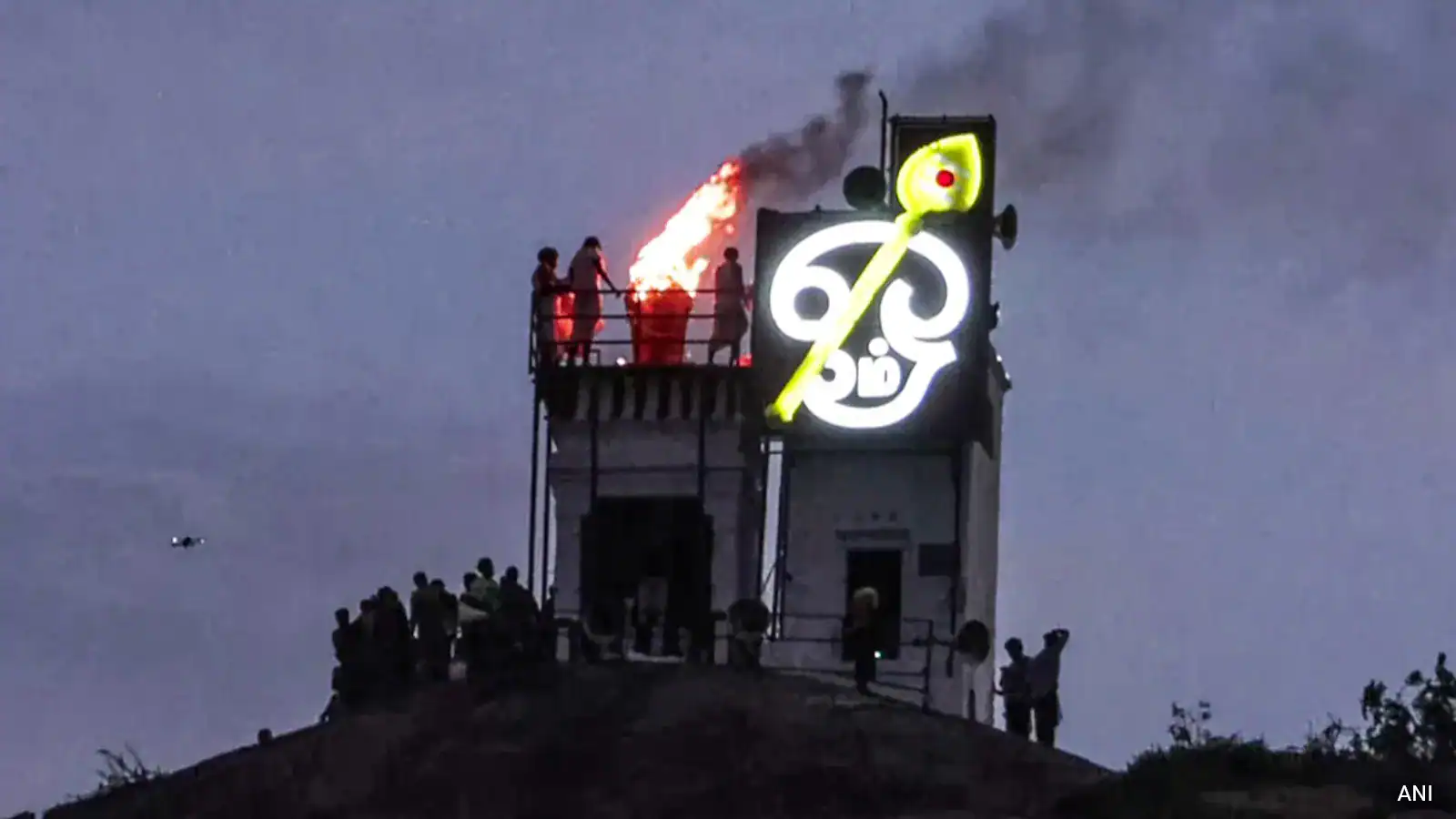
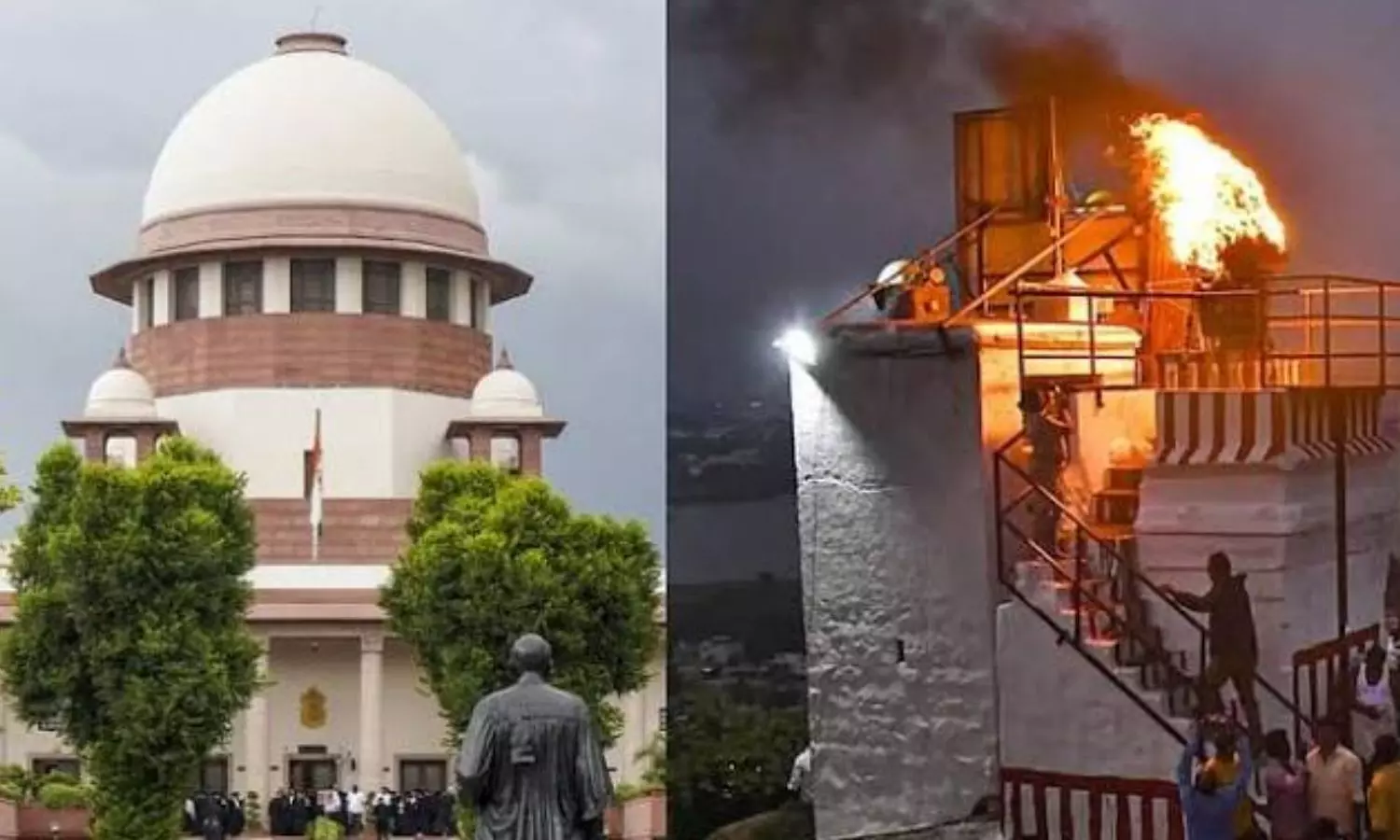
The Supreme Court has made strong observations regarding the controversy over lighting the traditional Karthigai Deepam lamp at Thiruparankundram hill in Madurai district, Tamil Nadu. Expressing concern over the state of administration, the court questioned the conduct of the authorities and observed that the situation appeared to reflect administrative confusion, particularly in Madurai district. The remarks came while hearing contempt petitions alleging that Tamil Nadu officials had failed to comply with the Supreme Court’s earlier order permitting the ceremonial lamp to be lit at the Deepathoon pillar on the hill.
Justice Aravind Kumar, who was part of the bench along with Justice Vipul Pancholi, stressed that court orders cannot be ignored or diluted by anyone, regardless of their position. The bench warned that attempts to undermine judicial directions could lead to constitutional chaos in the country. It observed that such situations must be dealt with firmly and that the time had come to take a strict approach towards actions that challenge the authority of the judiciary.
The contempt petitions were filed over the alleged failure to implement the Supreme Court’s November 20 order. The court had permitted the lighting of the Karthigai Deepam at the Deepathoon on November 24. However, the lamp was not lit at the disputed pillar, leading to allegations of wilful disobedience against the district administration and other state authorities. During the hearing, the judges questioned whether their earlier directions had been followed and expressed dissatisfaction with the explanations offered on behalf of the officials.
In a subsequent order on November 27, the Supreme Court directed that the lamp be lit at the Deepathoon on November 28 and issued contempt notices to officials, while also ordering changes to the arrangements at the site. The developments have intensified the legal and administrative debate surrounding the issue. The case has once again highlighted the importance of compliance with judicial orders and the responsibility of government authorities to implement directions issued by the courts.














Comments (0)
No comments yet
Be the first to comment!