
General


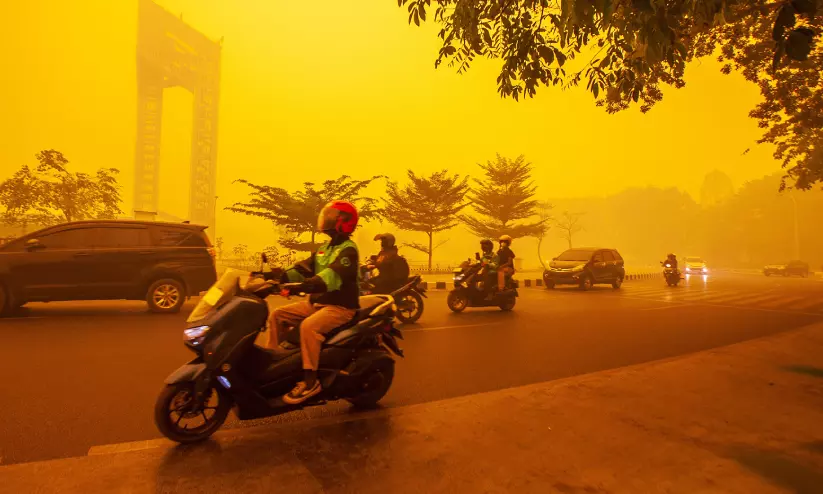
The World Health Organization (WHO) has activated a Grade 3 emergency response to address the public health risks associated with the 2026–27 El Niño event. This is the organisation’s highest level of internal emergency response and covers the period from October 2026 to September 2027. In its September 2026 global health risk assessment, the WHO identified India among the countries facing high or very high health risks. The concerns include above-normal temperatures, changing rainfall patterns, water stress and the possibility of increased climate-sensitive diseases. The WHO has called for stronger early-warning systems, disease surveillance and coordination among health authorities.
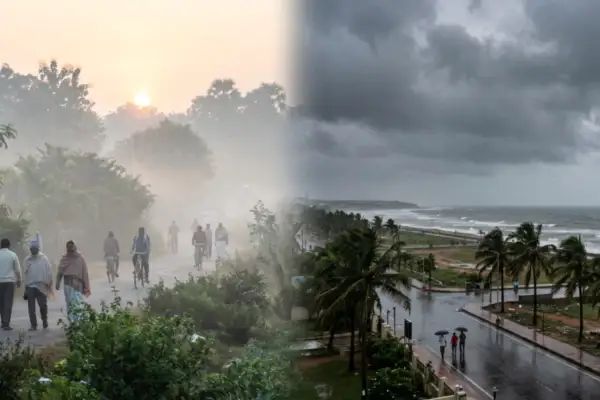
The anticipated health challenges include dehydration, heat exhaustion and heatstroke during periods of extreme heat. High temperatures can also worsen existing heart, kidney, respiratory and other chronic conditions. Changes in rainfall and water availability may influence the spread of mosquito-borne diseases such as dengue and malaria, while disruptions to agriculture could increase food insecurity and malnutrition. However, the WHO clarifies that El Niño does not directly cause diseases; it can increase or alter health risks through environmental and social conditions. Its Grade 3 response is a global preparedness measure, not a declaration that every country or region will face an immediate health emergency. India’s weather outlook and regional impacts will depend on evolving climate conditions and local preparedness.









Comments (0)
No comments yet
Be the first to comment!