
General


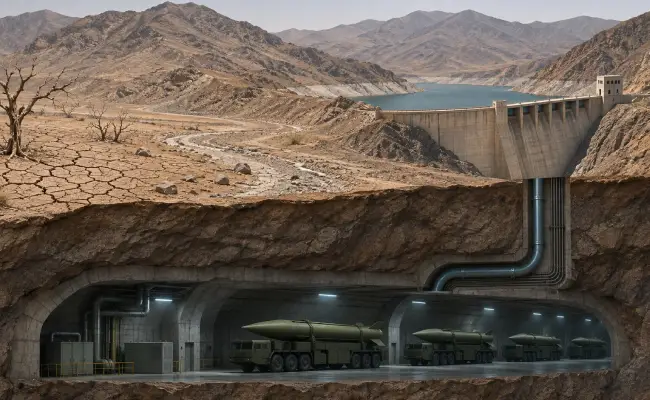
Iran may have developed an unusual strategy to protect its missile production units and military facilities from potential US airstrikes, according to reports examining the country’s infrastructure. Some dams and water distribution projects are drawing attention because of their geographical locations and possible proximity to sensitive military sites. Dr Nima Shokri, a scientist associated with the University of Hamburg in Germany, reportedly examined the locations of 533 dams built across Iran and identified several unusual patterns. Following the military strikes and heightened tensions between the US and Iran this year, he is said to have compared the locations of the dams with areas reportedly targeted by American airstrikes. The reported overlap has raised questions about whether some of these water projects also serve strategic military purposes.
Military facilities, particularly missile production units, require uninterrupted supplies of water and electricity. Analysts suggest that certain dams could help meet these requirements while reducing the dependence of military installations on broader civilian infrastructure. Iran is also believed to have around 30 underground missile facilities, many of them located beneath mountains or inside tunnels. Meanwhile, the arrests of several wildlife conservationists and environmental activists in Iran in 2018 have also attracted renewed attention. Authorities had accused some of them of using cameras near sensitive locations. Reports have additionally highlighted a major water project in Yazd and an alleged underground military facility near the Tarom Protected Area in Hormozgan Province. However, claims that these infrastructure projects were specifically designed to support military facilities have not been independently established.














Comments (0)
No comments yet
Be the first to comment!