General


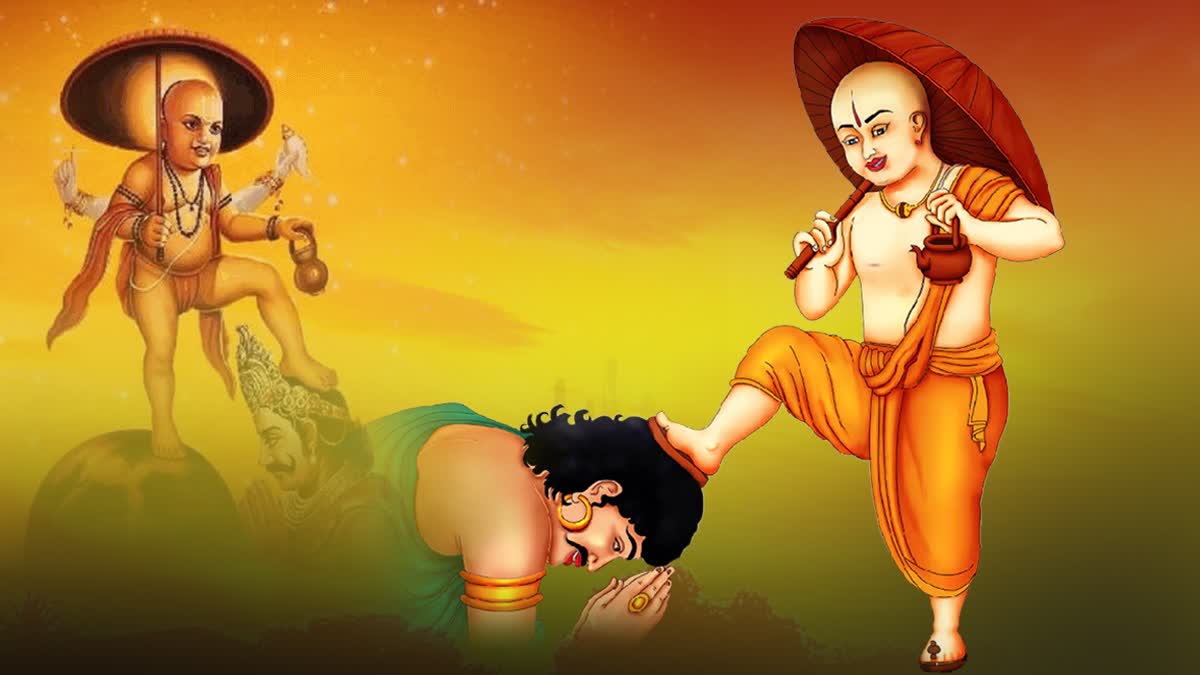
Bali Padyami is traditionally observed on the first day of the bright fortnight of Kartika, immediately after Diwali Amavasya. According to the Srimad Bhagavatam and Vishnu Purana, King Mahabali was the grandson of the great devotee Prahlada and was known for his devotion to Lord Vishnu and his people-friendly administration. After performing the Vishwajit Yagna and gaining immense power, Mahabali defeated Indra and took control of heaven. As the gods lost their authority, they approached Lord Vishnu for help. To restore their position, Lord Vishnu incarnated as Vamana, the son of Sage Kashyapa and Aditi. During Mahabali's Ashwamedha Yagna, Vamana arrived at the sacrificial venue and asked the king for just three steps of land as a donation. Although Shukracharya, the guru of the demons, warned Mahabali that Vamana was Lord Vishnu in disguise, the devoted king remained committed to his promise and agreed to fulfil the request.
After receiving the donation, Vamana assumed his gigantic Trivikrama form, covering the Earth with his first step and the heavens with his second. When he asked where he should place his third step, Mahabali offered his own head. Pleased with the king's generosity and devotion, Lord Vishnu sent him to the netherworld and made him its ruler. According to the traditional legend, Lord Vishnu also granted Mahabali's wish to visit his kingdom on Earth for three days every year. Devotees believe that he visits the Earth on Naraka Chaturdashi, Diwali Amavasya and Kartika Shuddha Padyami. Lighting lamps, performing Deepa Puja and offering lamps are considered auspicious during this period. On Bali Padyami, devotees worship Lord Vishnu in his Vamana incarnation and King Mahabali. The festival also conveys a spiritual message about overcoming ego, rising above the three gunas — Sattva, Rajas and Tamas — and following the path of devotion and wisdom.










Comments (0)
No comments yet
Be the first to comment!