
General


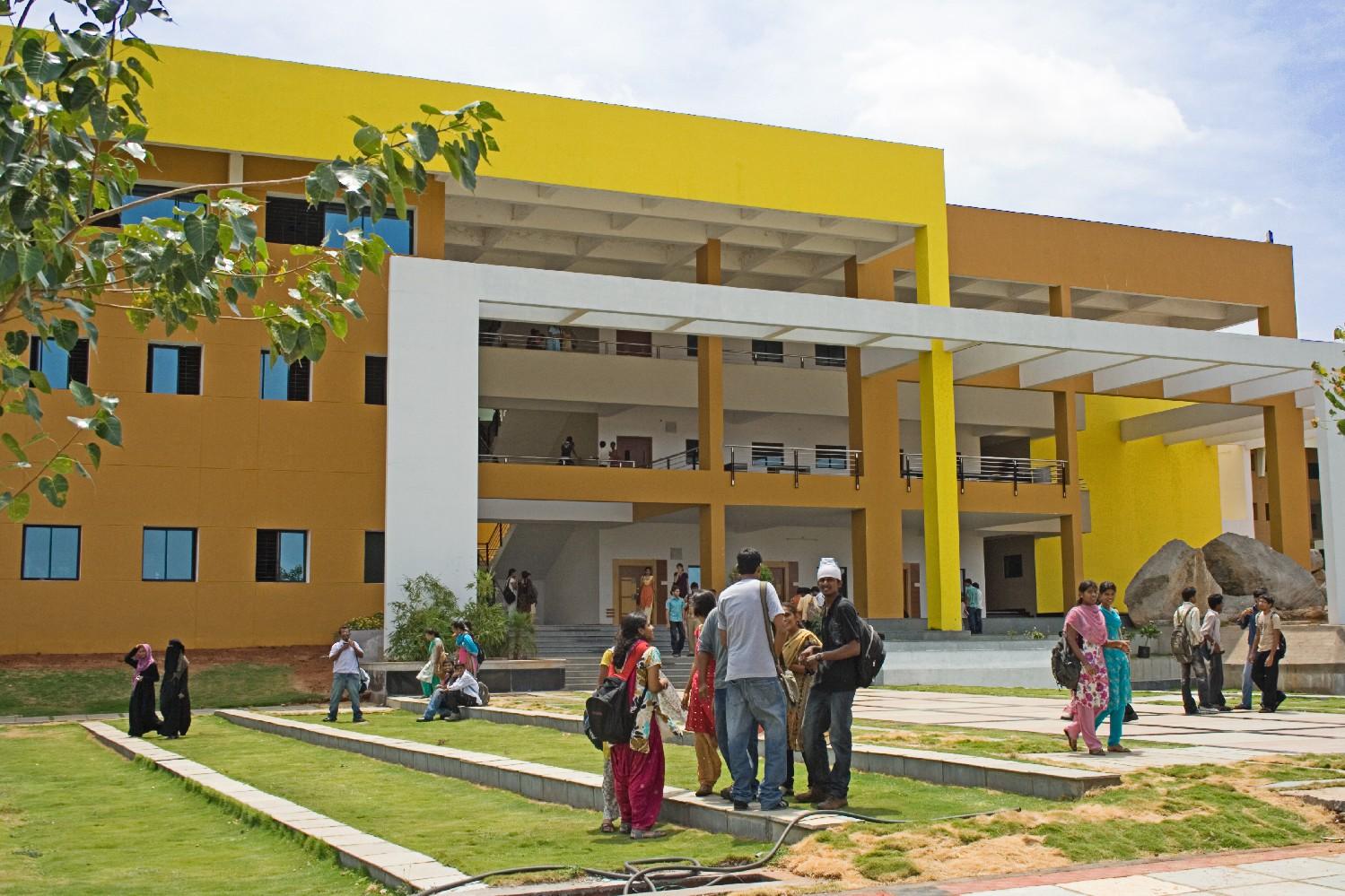
More than 75,000 engineering seats have remained vacant in Telangana this academic year, highlighting a growing gap between available seats and student demand. A total of 242 government, private and private university engineering institutions, including those offering a 35% convener quota, received approval for 2,00,257 seats. However, only 1,24,851 seats (62.34%) were filled across all categories. Under the government-administered convener quota, 98,406 out of 1,52,731 seats were filled, recording an admission rate of 64.43%. Private college managements were allowed to fill 49,344 unoccupied convener quota seats through spot admissions, but only 1,498 seats were filled. Government universities and their affiliated government colleges also reported 2,446 vacant seats. Some universities have requested permission to fill these vacancies through spot admissions, but the government has reportedly declined, citing concerns over maintaining the quality of technical education. Several universities have entered the engineering education sector as admissions to conventional postgraduate courses decline. However, a shortage of regular faculty and dependence on contractual lecturers have affected the appeal of some university engineering colleges.
The situation is particularly challenging for private engineering institutions, which have significantly increased their intake despite limited student demand. While around 1.82 lakh candidates qualified in the engineering stream of TG EAPCET, only 1.13 lakh registered for engineering counselling. Of these, approximately 1.12 lakh became eligible to exercise web options. Against this demand, more than 1.52 lakh convener quota seats were available, apart from management quota seats. Consequently, over 70,000 seats remained vacant in private colleges alone. Software-related courses accounted for 68.53% of the total engineering intake, with 1,37,254 seats available across institutions. However, only 85,275 of these seats were filled. Computer Science Engineering had 33,552 admissions against 59,630 seats, while Civil Engineering recorded 4,142 admissions out of 7,634 seats and Mechanical Engineering filled 5,713 of 9,648 seats. Although some institutions introduced emerging courses such as Quantum Computing this year, student preference continues to favour software-related programmes. Meanwhile, declining demand for traditional core branches such as Civil and Mechanical Engineering has prompted institutions to reduce their intake in these disciplines.









Comments (0)
No comments yet
Be the first to comment!