Movies


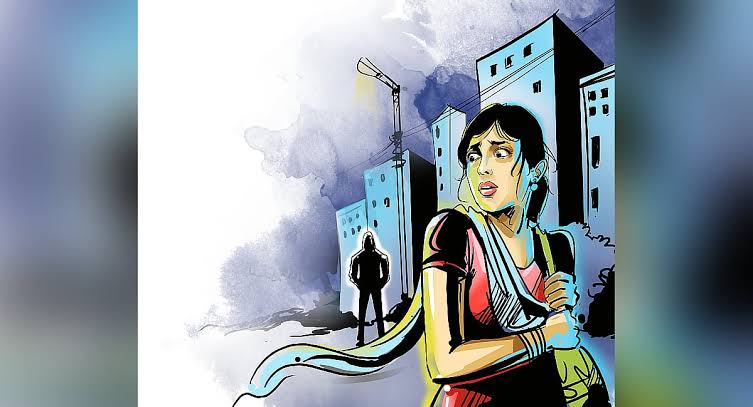
Women’s safety in the national capital has once again come under the spotlight, with a recent study highlighting widespread concerns among women and girls about travelling alone. According to a study conducted by the Centre for Equity and Inclusion (CEQUIN), 87.5% of respondents said they did not feel safe walking to the nearest metro station or bus stop. As many as 88.9% reported feeling unsafe in nearby public parks after dark. More than one-third of the women surveyed said footpaths lacked adequate street lighting, while 60% reported that footpaths were damaged or unavailable. Nearly 80% also said they had experienced harassment in the form of unwanted staring, inappropriate remarks or stalking. The study further found that 80.5% of respondents did not know which civic authority to approach to address their concerns.
The report stressed that women’s safety extends beyond protection from sexual assault and other crimes. Safe walking routes, properly maintained footpaths, adequate street lighting, accessible public spaces and accountable civic authorities are equally important for ensuring freedom of movement. It also highlighted the impact of safety concerns on women’s employment opportunities. According to National Crime Records Bureau (NCRB) data cited in the report, Delhi recorded 13,396 crimes against women in 2024, the highest among 19 major metropolitan cities. The report also noted that Delhi’s female labour force participation rate stood at just 14.5% in 2023–24, compared with 54% among men. It identified safety concerns and restricted mobility as factors that could limit women’s participation in the workforce.














Comments (0)
No comments yet
Be the first to comment!