



General


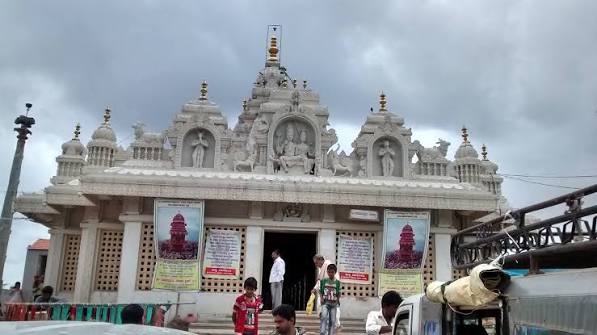
Narada Muni is revered in Hindu scriptures as a divine sage, an ardent devotee of Lord Vishnu and a traveller across the three worlds. He is traditionally described as the mind born son of Lord Brahma and is associated with knowledge, devotion and music. According to Hindu tradition, Narada played an important role in nurturing devotion in figures such as Prahlada, Dhruva, Valmiki and Vyasa. He is also traditionally depicted carrying the veena named Mahati and chanting the name of Narayana.
Temples dedicated specifically to Narada Muni are relatively rare. One such shrine is associated with Korva island on the banks of the Krishna River, where the area is also known as Narada Gadde. According to local belief, Narada Muni performed penance at this site. Another temple dedicated to Narada is located in Bhind district of Madhya Pradesh, on the banks of the Kali Sindh River. Devotees are said to visit the shrine during festivals and Ekadashi, when special worship and rituals are conducted.
In Andhra Pradesh, the Bhavanarayana Swamy Temple at Sarpavaram is associated with the Narada Sarovaram. According to the temple’s traditional legend, Narada Muni bathed in the sacred pond and assumed a female form. The story further connects the sage with the origin of the sixty Telugu years, beginning with Prabhava and ending with Akshaya. The pond is also traditionally known as Muktika Sarovaram, with devotees believing that a holy bath there brings spiritual merit. These accounts are rooted in religious traditions and should be understood as matters of faith rather than scientifically established facts.










Comments (0)
No comments yet
Be the first to comment!