

Movies


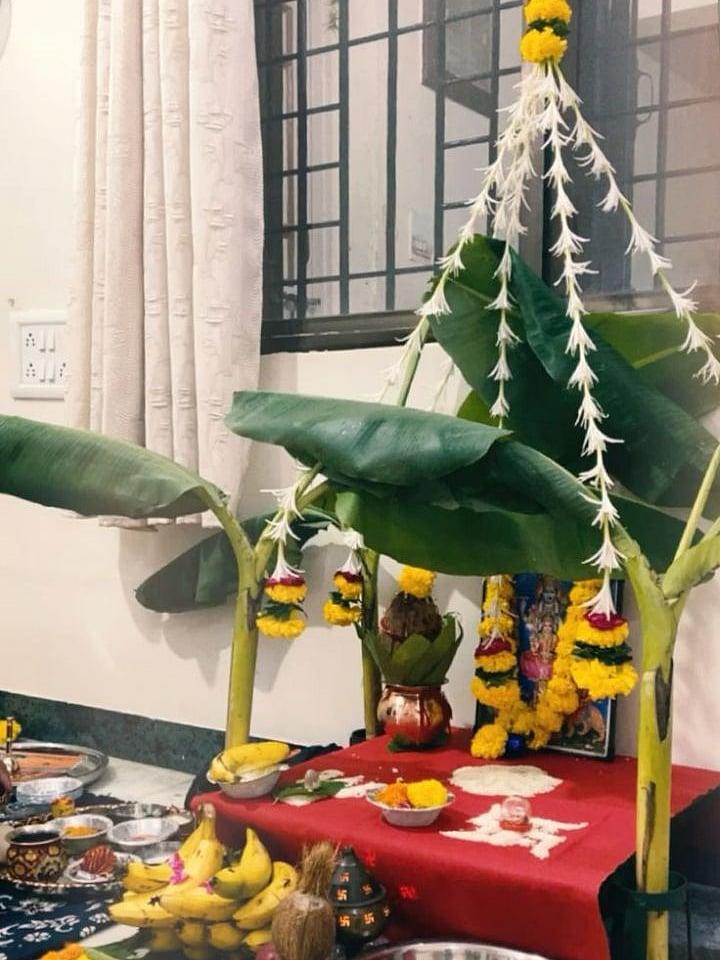
Banana plants, leaves and fruits hold a special place in many Hindu religious traditions. They are commonly used during pujas, vratas, weddings, housewarming ceremonies and naming ceremonies. In several traditions, the banana plant is associated with Lord Vishnu, Goddess Lakshmi and Jupiter, or Guru. Because the plant continuously produces new shoots and grows abundantly, it is traditionally viewed as a symbol of prosperity, fertility, continuity and family growth. Banana leaves are also used to serve offerings and prasadam, with their natural and clean appearance being associated with purity and sattvic traditions. Banana fruits are frequently offered as naivedyam, while banana stalks are placed near entrances or around puja mandaps during auspicious occasions.
Thursday is considered significant for Jupiter in traditional astrology, and some devotees worship banana plants on this day by offering water, turmeric and flowers and lighting a lamp. People who believe they have an unfavourable Jupiter placement in their horoscope may also follow banana-tree worship as a religious or astrological remedy, believing it can support marriage prospects, family harmony and financial well-being. Similarly, some traditions hold that placing banana plants during auspicious ceremonies keeps negative influences away and invites positive energy. However, these are matters of religious and astrological belief and are not scientifically established. There is also no universal Hindu rule stating that every puja must include bananas or banana leaves; offerings vary according to regional customs, family traditions and the specific ritual. The enduring use of the banana plant in Hindu ceremonies therefore reflects its symbolic association with purity, prosperity, growth and auspiciousness.












Comments (0)
No comments yet
Be the first to comment!