
General


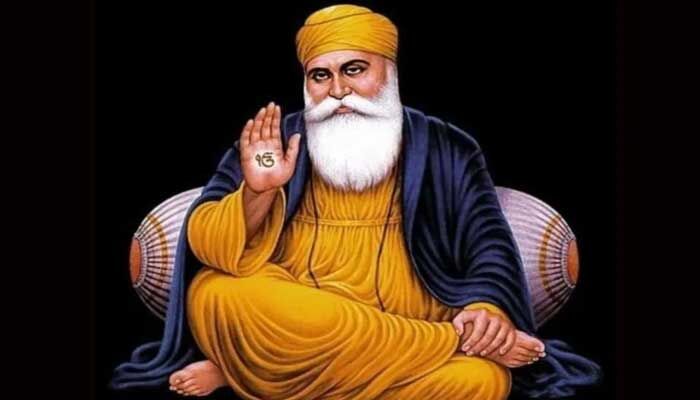
India is known for its diverse religions, traditions and cultures, with values such as religious tolerance, equality and brotherhood forming an important part of its social fabric. Guru Nanak Jayanti, celebrating the birth of Guru Nanak, the founder of Sikhism and the first of the ten Sikh Gurus, is observed every year on Kartik Purnima. This year, the festival will be celebrated on November 24. Also known as 'Gurpurab' and 'Prakash Parv', the occasion is marked with devotion by Sikh communities across the world. Guru Nanak was born in 1469 at Talwandi, now known as Nankana Sahib in present-day Pakistan. He established Sikhism in the 15th century and spread the teachings of one God, equality, humanity and selfless service. He strongly advocated treating everyone equally, irrespective of caste, religion or social background. His spiritual teachings are preserved in the Guru Granth Sahib, the holy scripture of Sikhism. His philosophy revolves around three important principles: 'Naam Japo', which means remembering and meditating on God's name; 'Kirat Karo', which encourages earning an honest living through hard work; and 'Vand Chhako', which teaches people to share their earnings and resources with those in need. These principles highlight devotion, honesty, compassion and social responsibility.
Guru Nanak Jayanti is celebrated with great devotion at Gurudwaras across India and other parts of the world. One of the important rituals is 'Akhand Path', the uninterrupted recitation of the Guru Granth Sahib over 48 hours. Devotees also organise early-morning religious processions known as 'Prabhat Pheris', singing hymns and spreading Guru Nanak's teachings. A day before the festival, 'Nagar Kirtan' processions are conducted, led by the Panj Pyare, or the Five Beloved Ones. The procession features the Nishan Sahib, the Sikh religious flag, and the Guru Granth Sahib carried in a beautifully decorated palanquin. Another significant tradition is 'Guru Ka Langar', a community kitchen where free meals are served to everyone without discrimination based on caste, religion or social status. It represents equality, generosity and selfless service. Sikhism also recognises the concepts of karma and reincarnation, teaching that spiritual liberation can be attained through devotion and living a righteous life. Guru Nanak's timeless messages of remembering God, earning honestly, sharing with others and serving humanity continue to inspire people across communities and generations.












Comments (0)
No comments yet
Be the first to comment!