
General


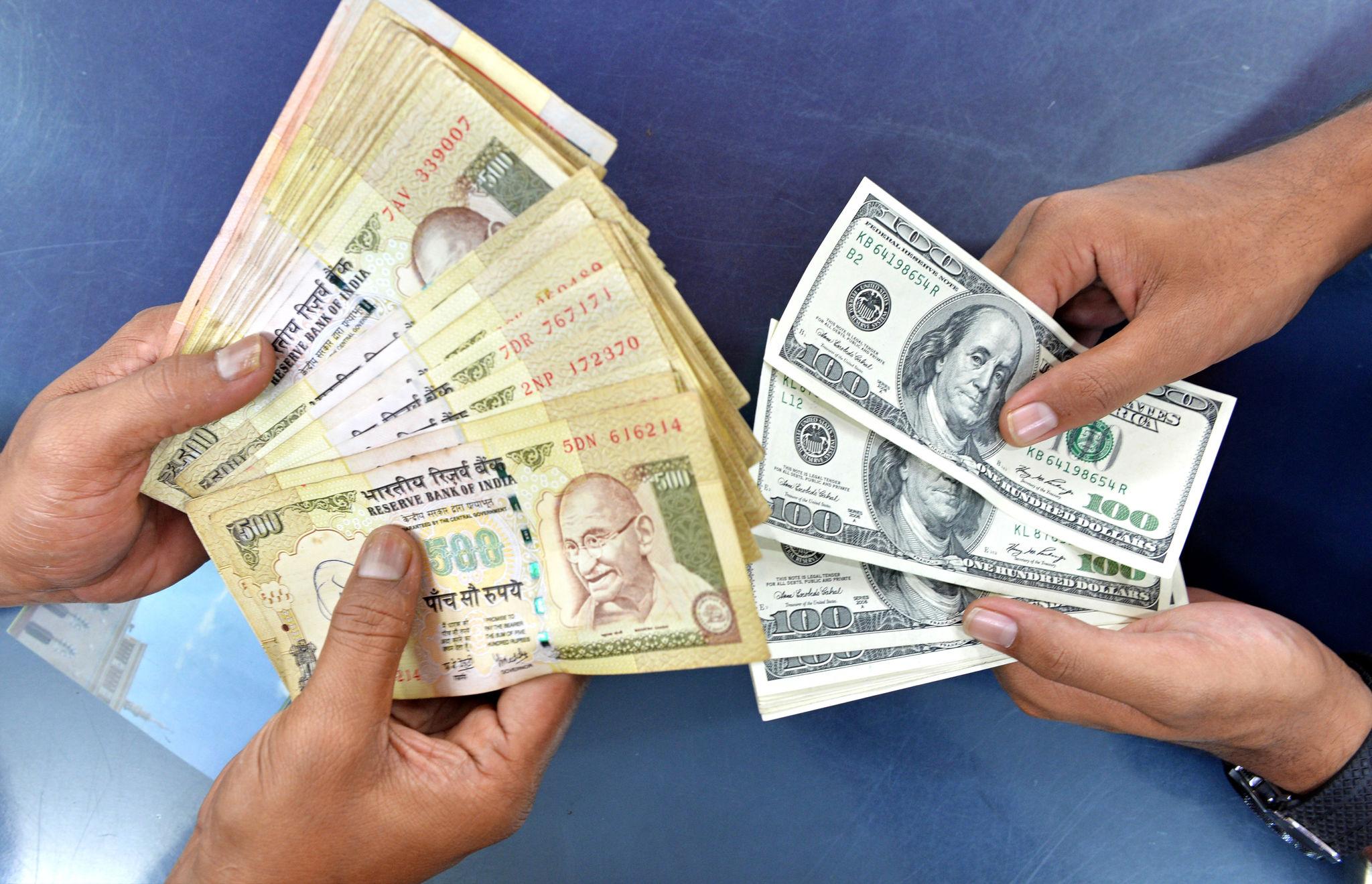
The Reserve Bank of India's (RBI) measures to attract carry-trade investors and support the rupee are beginning to show results. Lower international crude oil prices and a shift in global investment flows, following a slowdown in enthusiasm for artificial intelligence (AI) stocks, have also supported the Indian currency. After weakening to around ₹96.96 against the US dollar, the rupee has recovered to trade near ₹93. Foreign investors are increasingly exploring Indian markets for potential returns through carry trades, in which they borrow in currencies with lower interest rates and invest in currencies offering higher returns. However, sustaining this interest over the long term remains a challenge for policymakers.
Carry trades are gaining momentum again after nearly 17 years. In the current quarter, investors borrowing in US dollars and investing in the rupee have reportedly enjoyed some of the world's highest returns. As investment enthusiasm in AI-related stocks has cooled, some global investors have shifted funds towards markets that did not benefit significantly from the earlier AI rally, including India. However, experts caution that the rupee may currently be viewed as a temporary destination by carry-trade investors rather than a long-term investment choice. India's interest rate advantage over the US has narrowed sharply, from around 8.25 percentage points in 2011 to approximately 1.5 percentage points now. A significant share of recent carry-trade returns has reportedly come from the rupee's appreciation rather than the interest rate differential. RBI interventions, restrictions on speculative short positions and measures to encourage foreign dollar inflows have helped support the currency. Analysts say that greater market flexibility and policy stability will be essential to attract foreign investment over the long term.

















Comments (0)
No comments yet
Be the first to comment!