Business


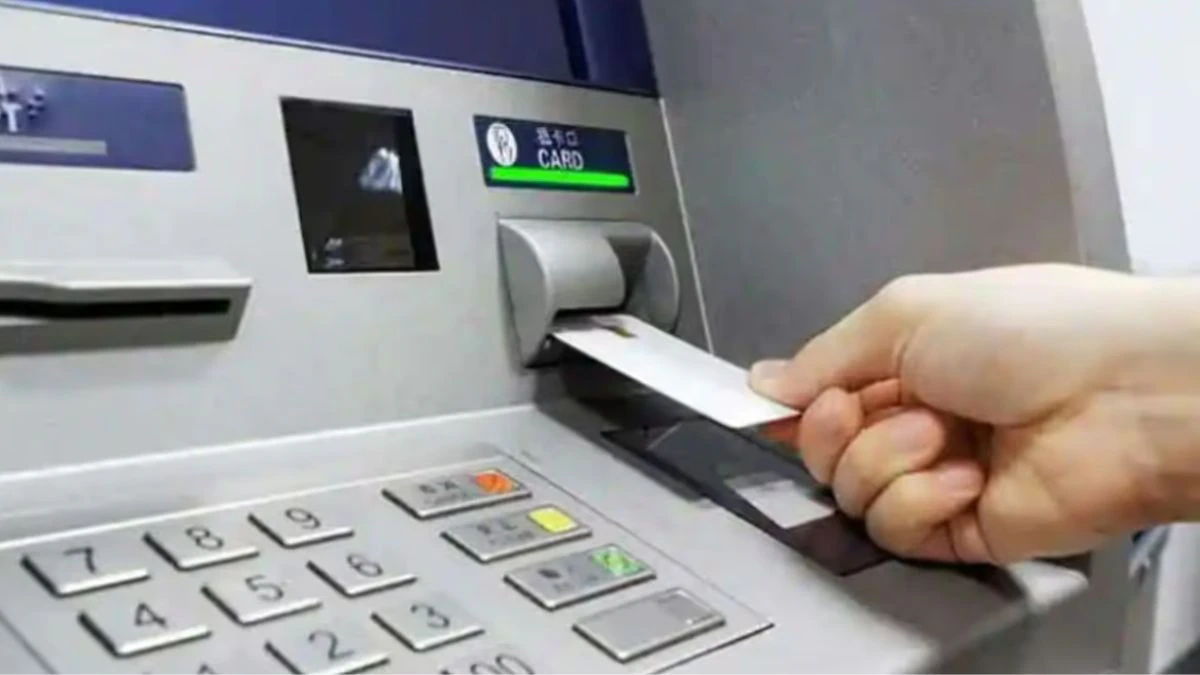
The Reserve Bank of India (RBI) has announced comprehensive guidelines governing cash withdrawals and charges at Automated Teller Machines (ATMs) and Point of Sale (POS) terminals. Under the rules, savings account holders can make five free transactions every month at their own bank’s ATMs. At other banks’ ATMs, customers are entitled to three free transactions in metro cities and five in non-metro areas. The overall free transaction limit at other banks’ ATMs is five per month, combining metro and non-metro locations. Cash withdrawals and non-financial services such as balance enquiries are included in the count. Once the free limit is exhausted, banks can charge a maximum of Rs.23 for each additional transaction, excluding applicable taxes. The maximum cash withdrawal per transaction at another bank’s ATM is Rs.10,000. Hyderabad, Mumbai, Delhi, Chennai, Kolkata and Bengaluru are classified as metro cities.
The RBI has also clarified that failed ATM transactions caused by technical glitches, connectivity issues, unavailability of cash or problems attributable to banks and service providers must not attract charges. Such transactions should not be counted towards the monthly free transaction limit. Banks must inform customers through SMS alerts or other channels about the number of free transactions used and the charges applicable beyond the limit. Customers can also withdraw cash at POS terminals installed at merchant establishments using debit cards, fully KYC-compliant prepaid payment instruments and UPI. The maximum withdrawal limit is Rs.2,000 per transaction, subject to an overall monthly limit of Rs.10,000 across metro and non-metro areas. Merchant establishments cannot charge more than one per cent of the transaction amount and must display the applicable fee. Customers can withdraw cash without making a purchase. If a purchase and cash withdrawal are made together, both amounts must be shown separately on the receipt.













Comments (0)
No comments yet
Be the first to comment!