
General

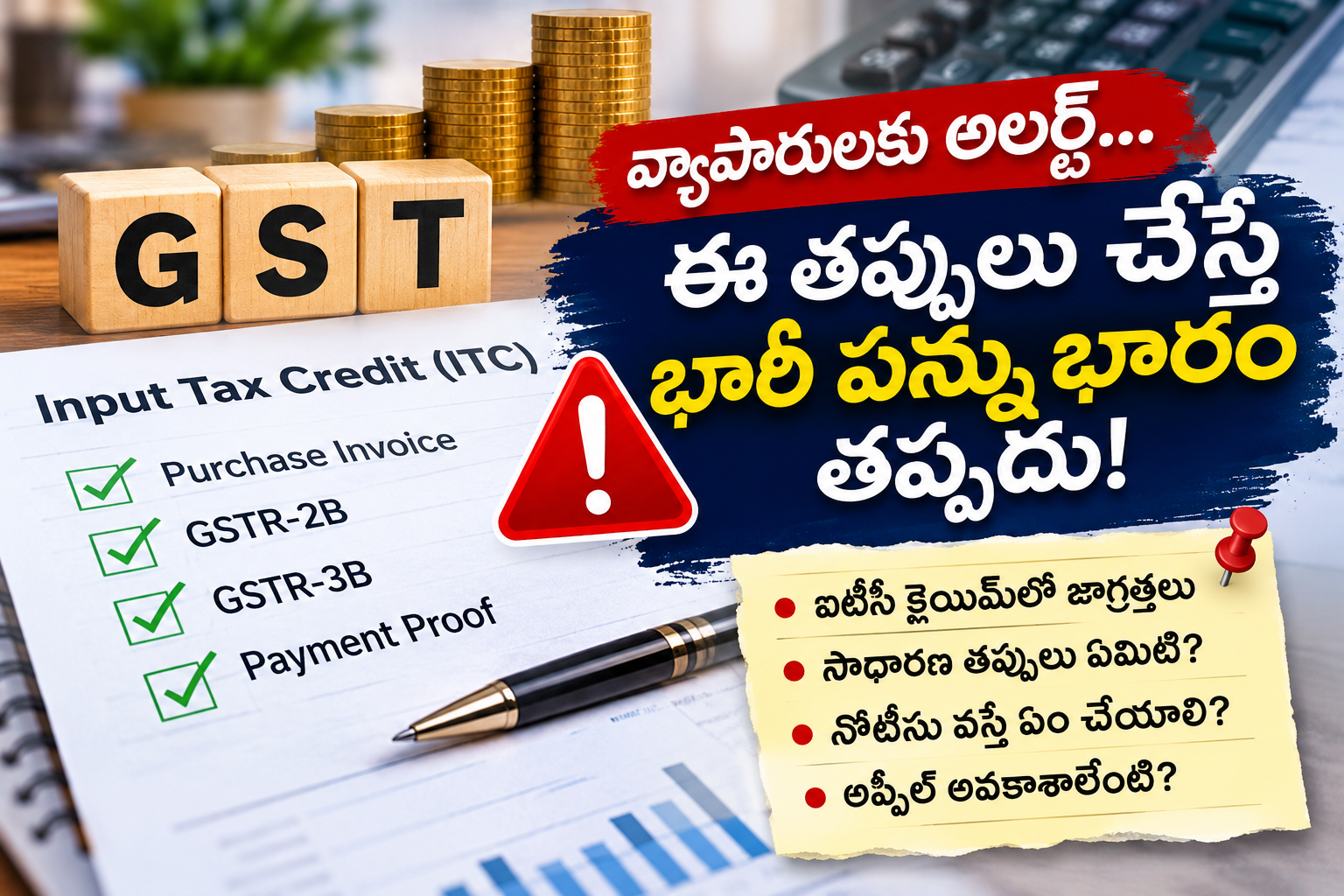
Input Tax Credit (ITC) allows businesses to adjust eligible GST paid on purchases against the GST payable on sales. For example, if a business pays Rs. 18,000 as GST on eligible purchases and collects Rs. 30,000 as GST on sales, it may adjust the eligible ITC and pay the remaining Rs. 12,000. However, having an invoice alone does not guarantee ITC eligibility. Businesses must meet the conditions under Section 16 of the CGST Act, 2017. Common issues include differences between GSTR-2B and GSTR-3B, suppliers failing to report invoices or file returns, incorrect invoice details, ineligible credits and failure to receive the goods or services. Applicable payment conditions, including the 180-day rule, and the time limit under Section 16(4) must also be checked.
Businesses should preserve purchase invoices, GSTR-2B statements, filed GSTR-3B returns, bank statements, e-way bills and delivery records. Before claiming ITC, they should verify the supplier’s GST registration, invoice details, receipt of goods or services and any restrictions under Section 17(5). If the GST department issues a notice, the business should understand the reasons, reconcile the records and submit a response with supporting documents within the specified time. A notice does not automatically mean that a tax demand has been finalised. Depending on the case, businesses may seek rectification under Section 161 or file an appeal under the applicable provisions, including Sections 107 and 112. A chartered accountant or GST-experienced legal professional can help with complex disputes and appeal deadlines.












Comments (0)
No comments yet
Be the first to comment!