General

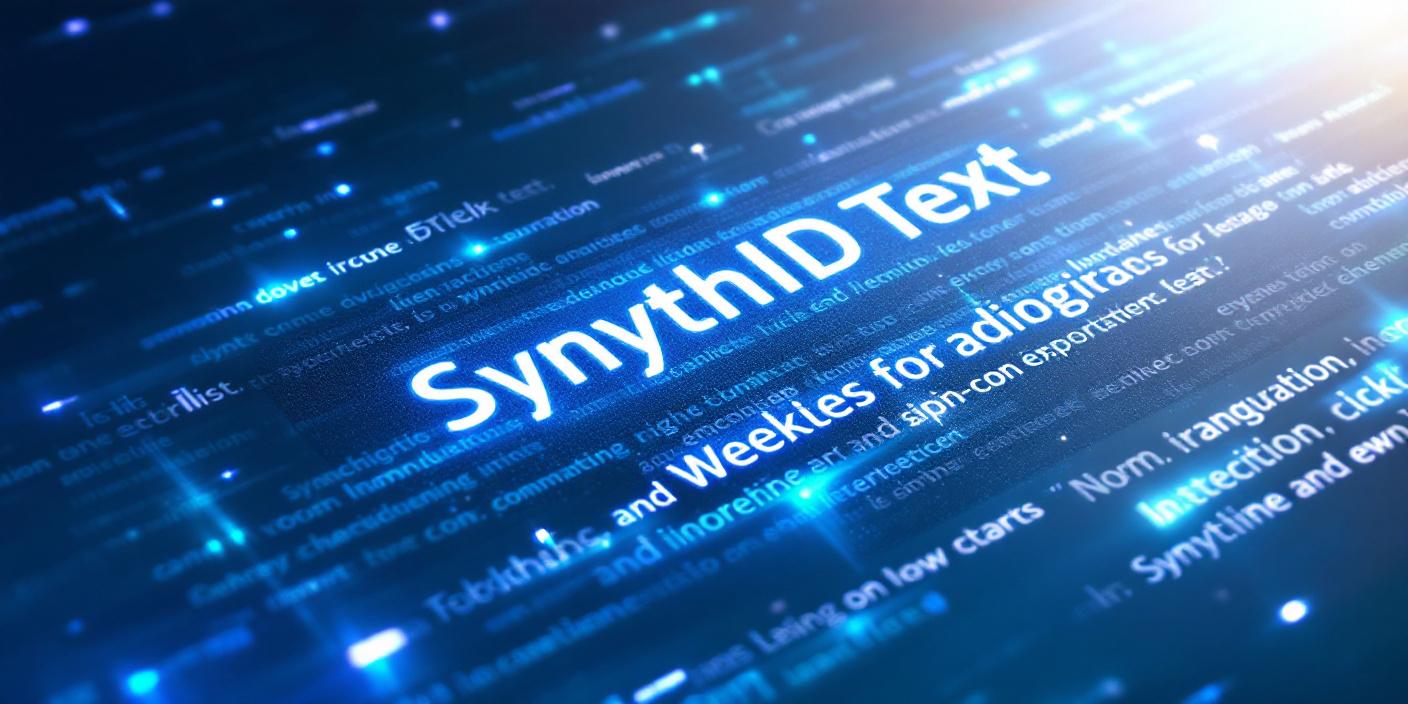
Anthropic is preparing to introduce machine-readable, invisible watermarks for text generated by future Claude AI models, amid growing global efforts to improve transparency around AI-generated content. According to the company, text longer than 200 tokens, roughly 150 words, will carry a watermark that cannot be seen by ordinary readers and is designed to remain detectable even after copying, pasting or some forms of editing. Anthropic says the system will not hide non-printing Unicode characters, slow down the model or increase token consumption. It will also not contain personally identifiable information linking content to a user, organisation or chat session.
The technology is based on Google DeepMind’s SynthID-Text approach, which influences the model’s token-selection process in a way that creates a detectable statistical pattern without making the output appear different to users. Anthropic says internal testing found no meaningful impact on creativity, readability or content quality. However, the watermark has limitations: it mainly indicates that Claude was likely involved in generating or editing content and cannot establish that Claude wrote the entire passage. It is also less reliable for short or highly factual text, proofreading and computer code, where the model has fewer opportunities to make alternative token choices. Anthropic plans to introduce a watermark-detection API and extend hidden watermarking to content generated by existing Claude models.


















Comments (0)
No comments yet
Be the first to comment!