
Politics


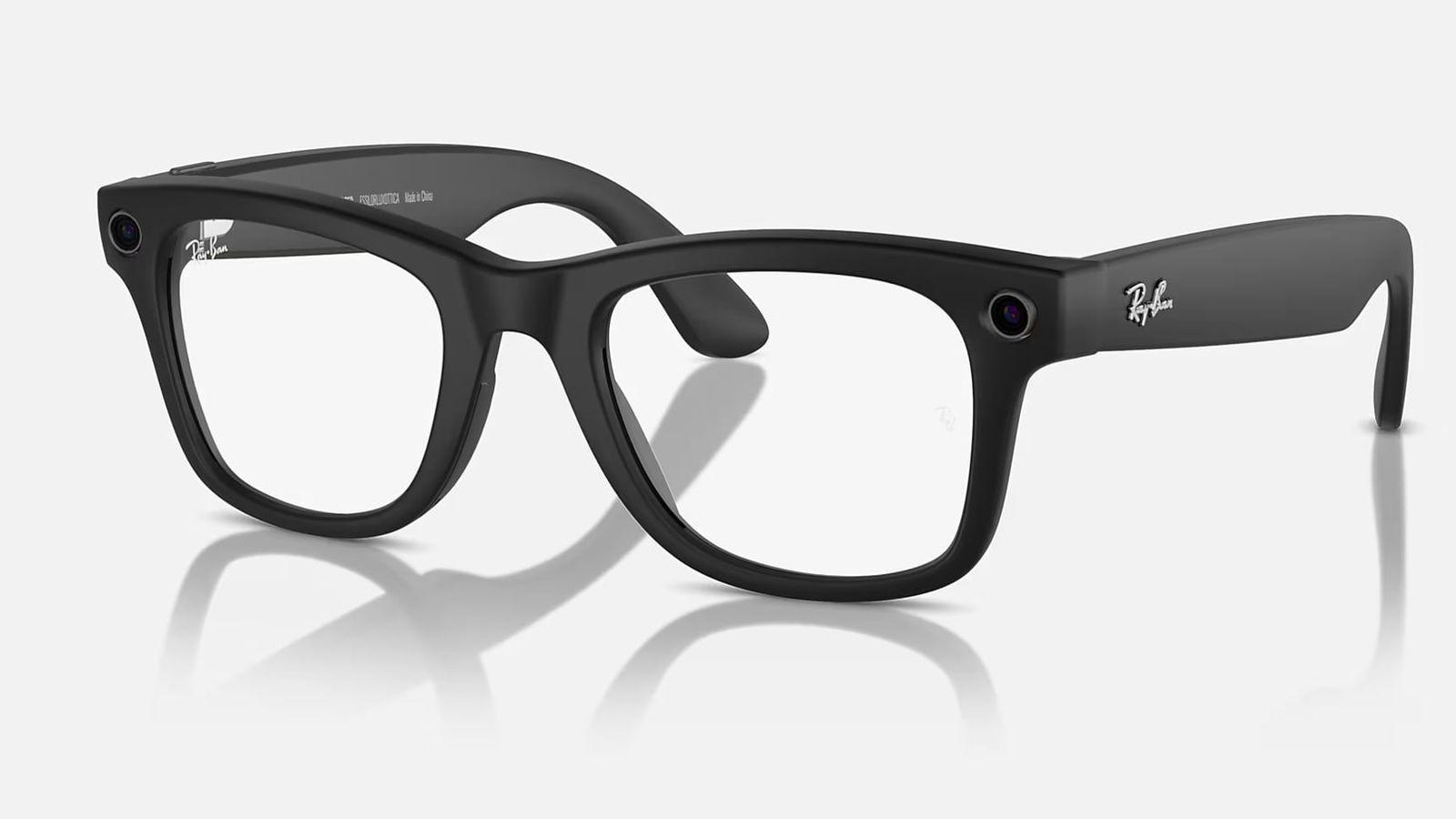
AI-powered smart glasses are facing growing scrutiny over privacy and security concerns. The Netherlands' independent data protection authority, Autoriteit Persoonsgegevens (AP), has advised consumers against purchasing these devices for general use after testing six models available in the Dutch market. The investigation reportedly uncovered several alarming issues, including inaccurate AI responses during simulated emergencies, inappropriate relationship advice involving a minor and incorrect medication instructions. The watchdog also identified security vulnerabilities that could potentially allow unauthorised individuals to access recorded footage or remotely operate the glasses' cameras. Although the devices resemble ordinary spectacles, their built-in cameras and microphones can capture images, videos and conversations, sometimes without the knowledge of people nearby. The regulator has clarified that it is not calling for an outright ban but has urged consumers and organisations to exercise caution.
The concerns are particularly relevant as AI smart glasses become increasingly popular worldwide. According to the Dutch watchdog, even recording indicator lights may not adequately inform people that their images and personal information are being captured or processed. AI features can also send recorded images and audio to external servers, raising questions about data security and third-party access. In India, there is currently no blanket ban on recording people in public spaces, but secretly capturing intimate images, recording in private spaces or using footage for stalking and harassment can lead to legal consequences. Users are therefore advised to avoid wearing camera-equipped glasses in washrooms, changing rooms, hospitals and other sensitive locations. They should also understand how their devices collect, store and share personal information before using or publishing recordings online.


















Comments (0)
No comments yet
Be the first to comment!