
Shows

Artificial intelligence regulation emerged as a significant behind-the-scenes issue in the US midterm elections, alongside concerns over inflation, rising living costs, the Iran conflict and dissatisfaction with the Trump administration. AI companies and technology billionaires reportedly spent enormous sums through Super PACs to support candidates who favour policies aligned with their business interests. Unlike conventional political donations, Super PACs can raise unlimited funds from corporations and wealthy individuals and independently spend money to support or oppose candidates, although they cannot contribute directly to candidates' campaigns. According to the supplied report, corporate political spending exceeded $646 million, with contributions coming from AI companies, cryptocurrency businesses, online betting platforms, Big Tech firms and data centre operators. AI-focused Super PACs reportedly spent around $72 million, with competing groups supporting faster AI innovation and stronger safety regulations.
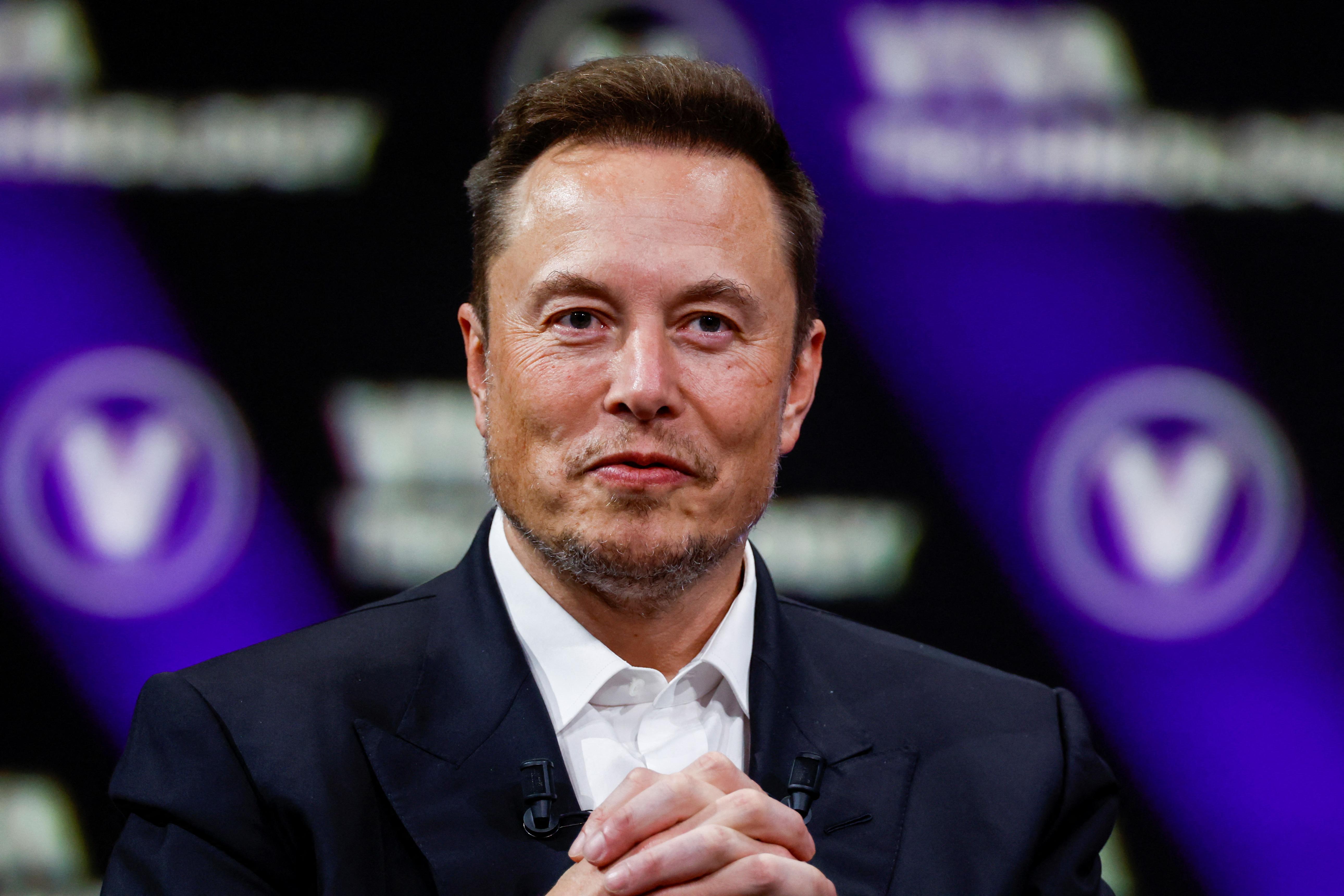
Technology leaders such as Elon Musk and investor George Soros became prominent figures in the debate over AI governance. Musk has advocated fewer regulatory restrictions, arguing that rapid innovation is essential for the United States to compete with China in artificial intelligence. Critics, however, point to his business interests in the AI sector. Meanwhile, organisations associated with the Soros family reportedly supported Democratic and progressive groups that favour stronger regulatory oversight. Companies such as OpenAI, Meta, Palantir and xAI have generally supported policies that give businesses greater freedom to innovate. However, the Democratic gains described in the report could increase the likelihood of stricter AI legislation, including mandatory safety testing of advanced AI models, disclosure of serious incidents and legal accountability for developers when their systems cause harm. Such changes could also create opportunities for India, particularly in AI research, model testing, software development and skilled employment. India's infrastructure, digital market and technical workforce could attract global technology companies, although challenges involving data protection, electricity consumption and water availability need to be addressed.









Comments (0)
No comments yet
Be the first to comment!