
General


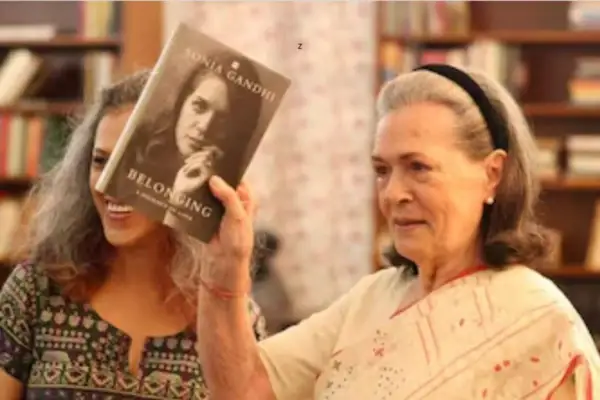
Sonia Gandhi’s memoir, ‘Belonging: A Journey of Love’, published on November 10, 2026, traces her journey from her childhood in Italy to her marriage to Rajiv Gandhi and her eventual rise as one of the most influential figures in Indian politics. She recalls her early relationship with Rajiv, her experiences with Indira Gandhi, the assassinations of Indira and Rajiv, and the personal challenges that shaped her public life. The book also discusses her reluctant entry into politics, her leadership of the Congress party, her differences with political colleagues and her decision to decline the Prime Minister’s post after the UPA’s victory in 2004, proposing Manmohan Singh for the position instead.
The memoir revisits several contentious episodes, including the Emergency, the 1984 anti-Sikh violence and the Congress party’s political journey. Sonia acknowledges Sanjay Gandhi’s influence during the Emergency and describes the anti-Sikh violence as a tragic chapter, while defending Rajiv Gandhi against allegations of involvement. She also explains her support for coalition politics and reflects on the Congress party’s electoral setbacks. However, the book has faced criticism for its selective treatment of certain political events and for factual inaccuracies involving historical dates, election figures and public records. Reports have flagged errors relating to the RSS’s founding year, Ahmed Patel’s death and the timeline of Anna Hazare’s anti-corruption movement. The memoir has also drawn political criticism from BJP leaders, while Congress leaders have defended it as a personal account. These reactions underline the debate surrounding the book’s treatment of India’s political history.

















Comments (0)
No comments yet
Be the first to comment!