
Sports


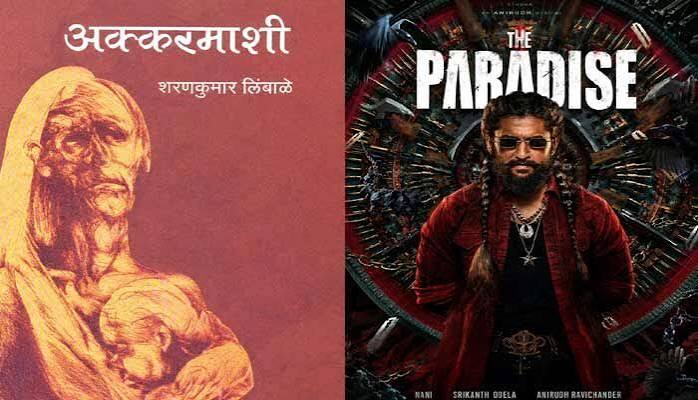
A person’s birth is a natural wonder, but society often attaches labels to it based on caste, social status and circumstances of birth. Such discrimination can leave deep scars on individuals and communities. Yet, humiliation does not always remain silent. Over time, the pain of exclusion can become a force for resistance and inspire oppressed communities to fight for dignity and self-respect.
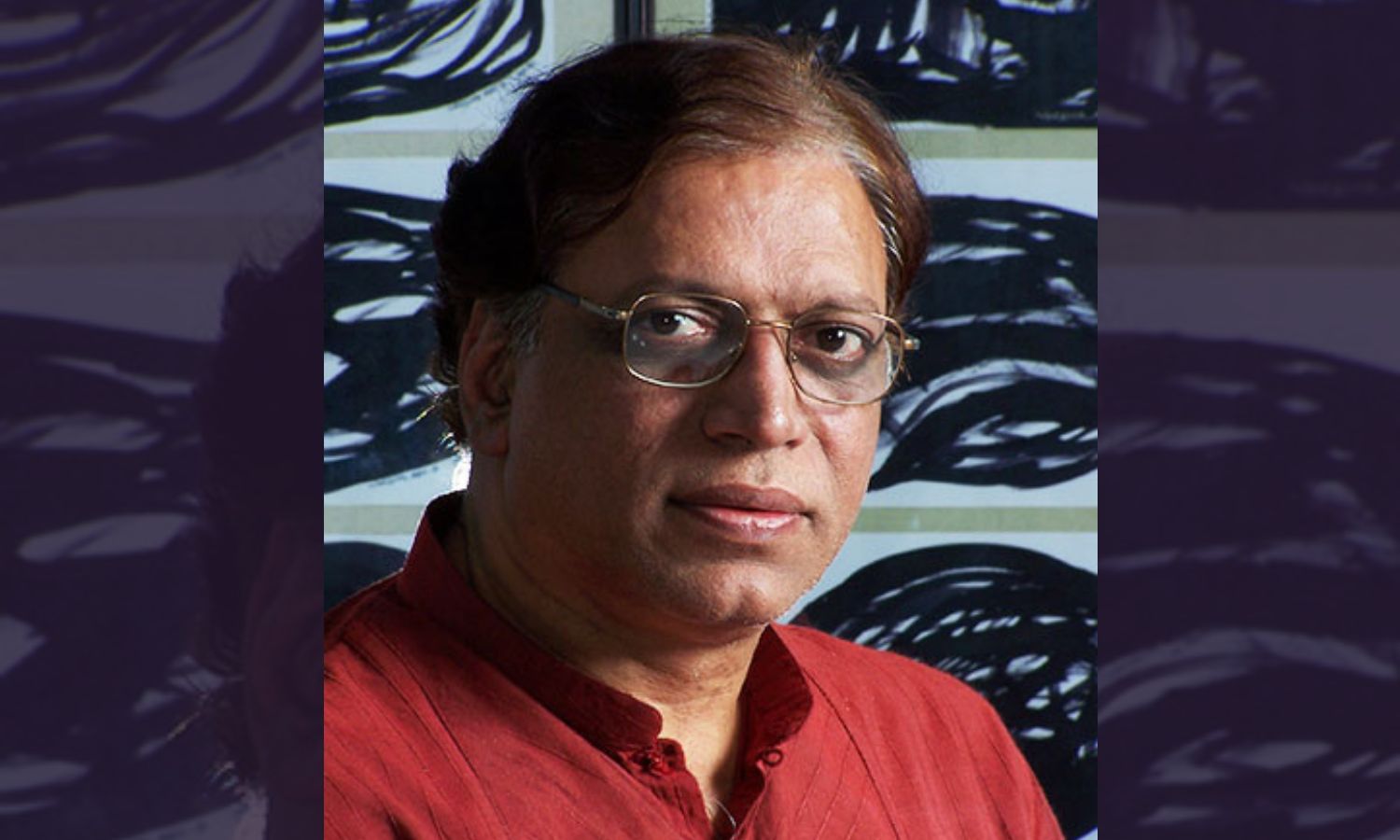
This idea is powerfully reflected in Marathi Dalit writer Sharan Kumar Limbale’s 1984 autobiography Akkarmashi, which was translated into Telugu as Akrama Santanam. Limbale, born to a Dalit mother and an upper-caste father, experienced social exclusion from an early age. Instead of hiding the identity imposed on him, he used it as the title of his autobiography and turned a painful social label into a powerful expression of self-respect. A similar theme can be seen in Srikanth Odela’s The Paradise, starring Nani. Set against the backdrop of 1980s Secunderabad, the film portrays the struggles of the Savari tribal community and its fight against social discrimination and humiliation.
Although Akkarmashi and The Paradise belong to different periods, regions and forms of storytelling, they share a striking thematic connection. Both portray how identities imposed by an oppressive social system can become symbols of resistance rather than shame. The stories underline how the struggle for dignity continues across generations, whether expressed through literature or cinema. They also serve as reminders that when discrimination and oppression persist, new voices of resistance emerge and continue to challenge society.












Comments (0)
No comments yet
Be the first to comment!