

General


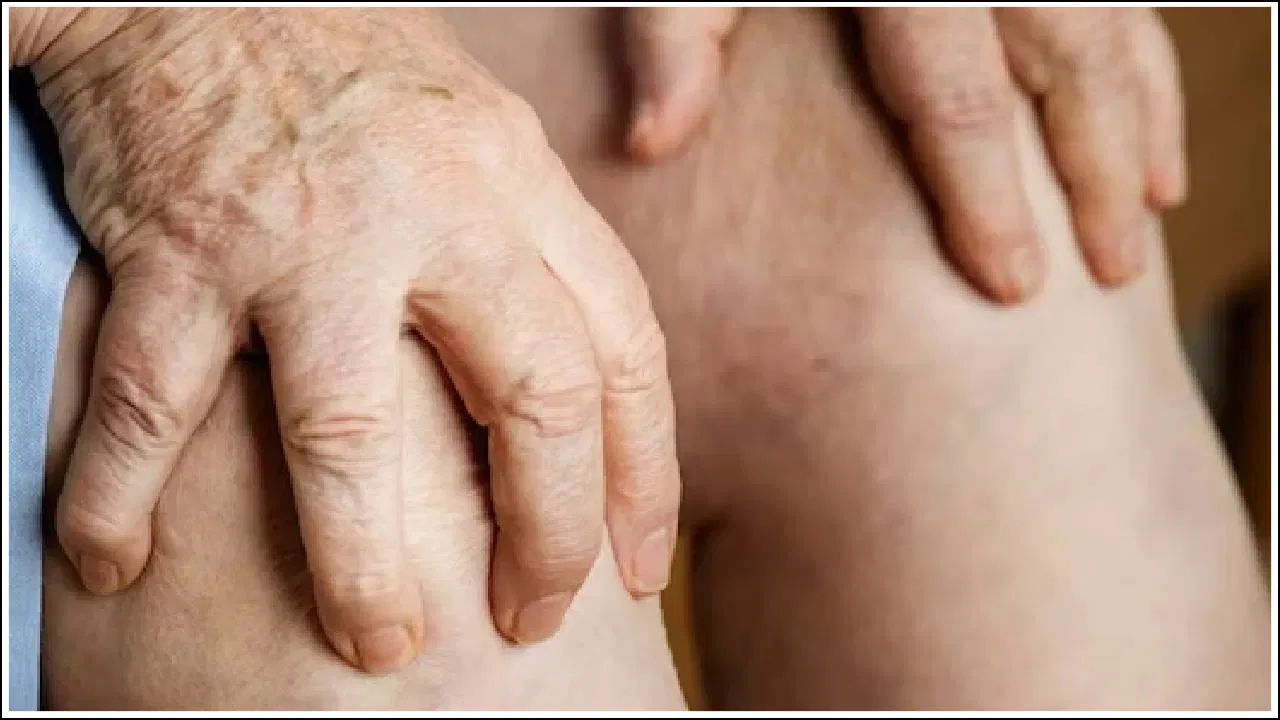
Joint pain is often considered a problem associated with old age, but doctors say that young people are increasingly experiencing pain, stiffness and swelling in the knees, shoulders, elbows and wrists. The problem can affect not only athletes, people who exercise excessively at gyms and those involved in heavy physical activity, but also people who repeatedly perform the same movements in their daily lives. Injuries, sprains and excessive strain on muscles can damage the tissues around the joints, leading to pain and swelling. Gout is another possible cause, occurring when high levels of uric acid lead to crystal deposits in the joints, causing sudden and severe pain, swelling, redness and warmth. Autoimmune conditions such as rheumatoid arthritis, early-onset osteoarthritis, tendon inflammation, lupus, fibromyalgia, thyroid disorders and certain viral infections can also contribute to joint pain.
Doctors advise seeking medical attention if joint pain is accompanied by swelling, redness, excessive warmth or fever. Immediate medical care is also important if a joint changes shape after an injury, develops sudden severe swelling or cannot be moved because of intense pain. Mild joint pain may sometimes improve with rest, but recurring or persistent pain should be evaluated to identify the underlying cause. Experts also caution against taking pain-relieving medicines on your own for long periods without medical advice. Young people should not dismiss recurring joint pain simply because of their age; identifying the cause and receiving appropriate treatment can help prevent the problem from worsening.
















Comments (0)
No comments yet
Be the first to comment!