
Movies


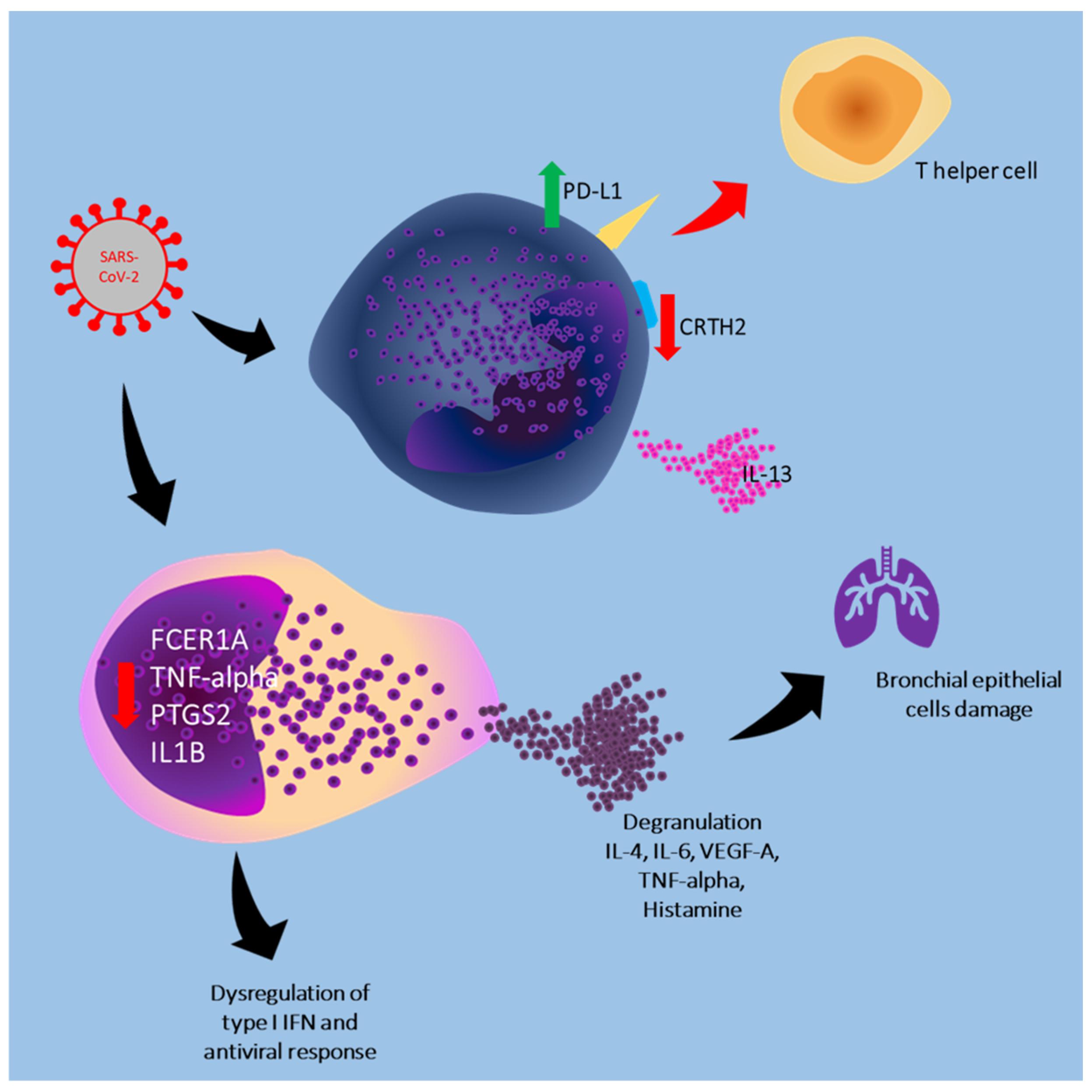
A new study published in the Annals of Allergy, Asthma & Immunology has found a possible association between COVID-19 infection and an increased risk of developing six allergic conditions. Researchers analysed people aged 1 to 64 and followed them for 18 months after SARS-CoV-2 infection. The conditions examined included atopic dermatitis, asthma, food allergy, rhinoconjunctivitis, medication allergy and urticaria (hives). Among children, all conditions except food allergy showed a significant association with previous COVID-19 infection, while asthma and rhinoconjunctivitis were significantly associated with prior infection in the active-duty subgroup.
Researchers from the University of Washington School of Medicine said the findings highlight a potential public health burden and the importance of monitoring people for allergic conditions following COVID-19 infection. Possible explanations include changes in type 2 inflammation, mast-cell activation and inflammation affecting the nose, sinuses and lungs. However, experts caution that the study found an association rather than causation. Its retrospective design cannot establish that COVID-19 directly causes allergic diseases, and further research is needed to understand the biological mechanisms involved.














Comments (0)
No comments yet
Be the first to comment!