

Business

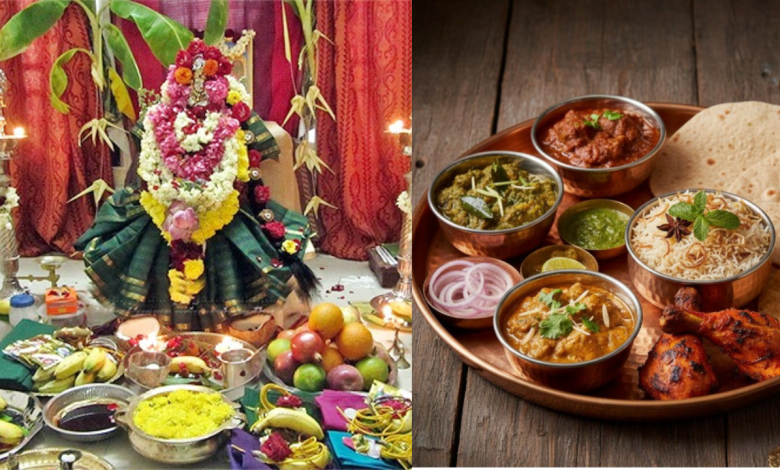
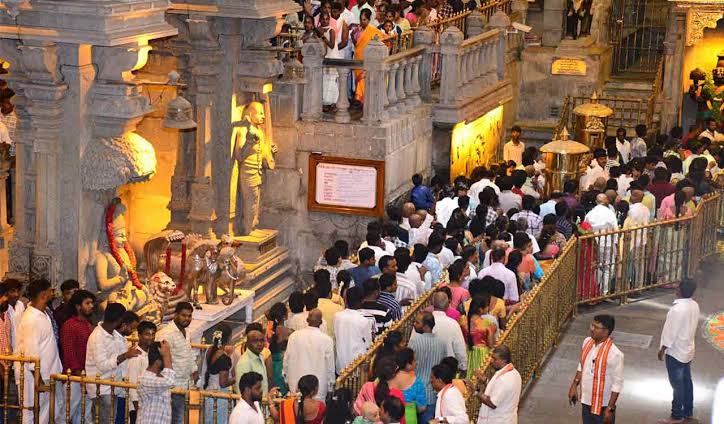
Shravan is considered a sacred month in Hindu tradition. Devotees worship Lord Shiva, Goddess Parvati and Lord Vishnu through special prayers, rituals, fasts and vows. Mondays are especially dedicated to Lord Shiva, while Fridays are observed with special prayers to Goddess Durga. Festivals such as Nag Panchami, Raksha Bandhan and Sri Krishna Janmashtami are also observed during this period, creating a strong spiritual atmosphere.
Many people avoid non-vegetarian food during Shravan for both spiritual and dietary reasons. Traditional beliefs consider meat-based food to be tamasic and recommend a sattvic diet during periods of prayer, meditation and fasting. Light foods such as vegetables, fruits, pulses and grains are generally preferred during this period.
Shravan usually coincides with the monsoon season. Increased humidity and weather changes can contribute to digestive discomfort in some people. Meat may also take longer to digest for some individuals. Therefore, experts generally recommend eating light, balanced and nutritious meals during the monsoon. However, this does not mean that non-vegetarian food is inherently unhealthy; dietary choices should depend on individual health, nutritional needs and personal or family traditions.
Fasting and dietary restrictions during Shravan can also provide an opportunity to regulate eating habits. Choosing nutritious foods, avoiding overeating and staying adequately hydrated can support overall well-being. Thus, avoiding non-vegetarian food during Shravan is a spiritual practice for some people and a form of dietary discipline for others.







Comments (0)
No comments yet
Be the first to comment!