
Sports


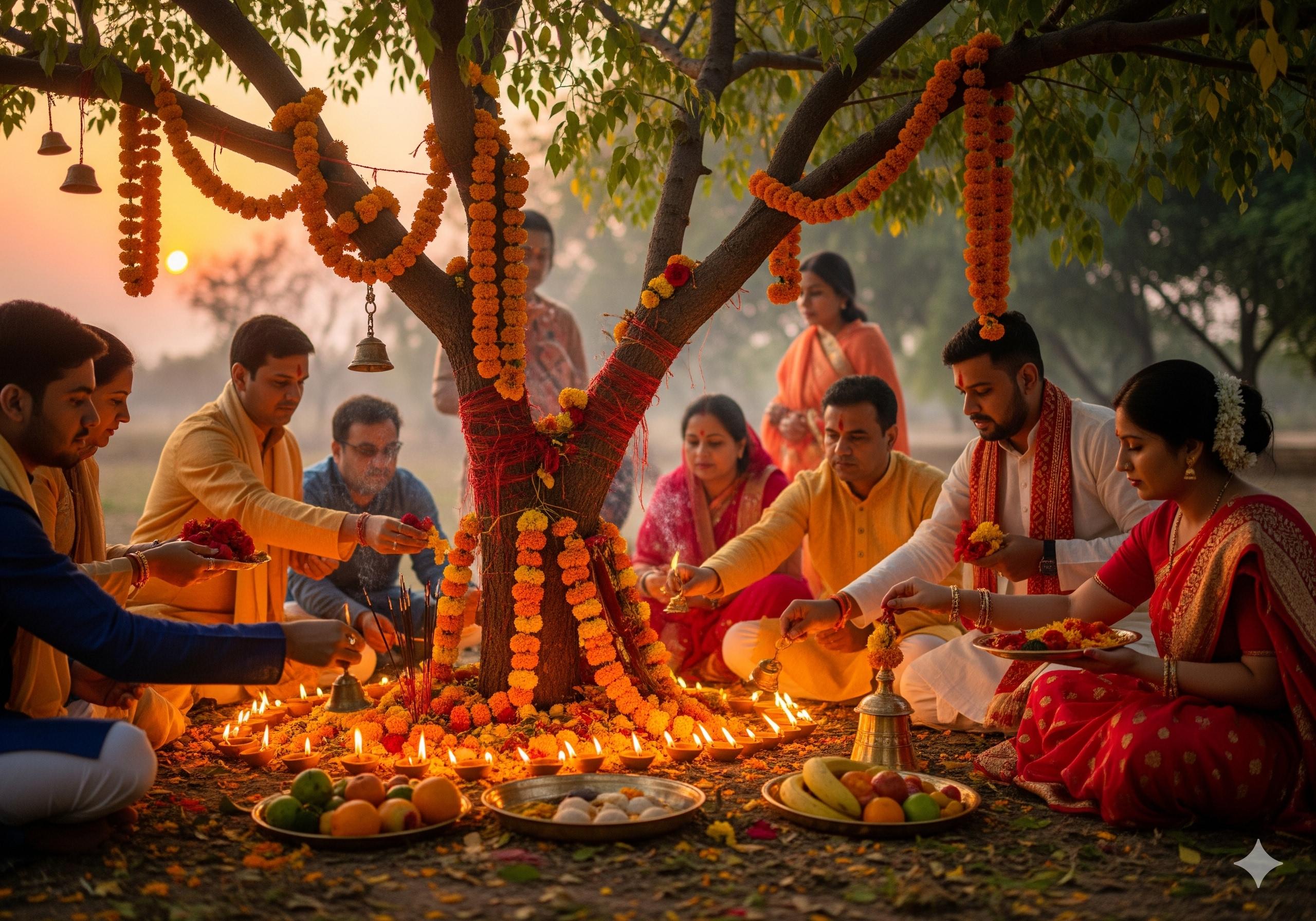
Vijayadashami marks the culmination of the Sharannavaratri celebrations and symbolises the victory of good over evil. According to Hindu traditions, special rituals are performed for Goddess Rajarajeshwari on this auspicious day, including her ceremonial coronation as the victorious Divine Mother. Devotees offer kumkum, flowers, tulasi leaves, and bilva leaves as part of their prayers. Worshipping the Jammi tree, also known as the Shami tree, holds special significance on Vijayadashami evening. According to popular mythological accounts, the Pandavas hid their weapons in a Shami tree during their period of exile and worshipped Goddess Durga before achieving victory. This association has made the tree a symbol of strength, protection, and success.
A long-standing Vijayadashami tradition involves treating Jammi leaves as gold and exchanging them with family members, friends, and elders while seeking their blessings. Devotees offer prayers, light lamps, and perform circumambulations around the tree. Some also recite traditional Shami prayers, the Durga Suktam, or the Lalita Sahasranama. According to religious beliefs, worshipping the tree is associated with prosperity, the removal of obstacles, and victory over difficulties. The practice also carries an important environmental message: protecting trees helps protect life and nature. The Sanskrit saying “Vriksho Rakshati Rakshitah” conveys the idea that those who protect trees are protected in return. Thus, Jammi tree worship combines spiritual devotion, cultural heritage, and respect for the environment.







Comments (0)
No comments yet
Be the first to comment!