






General


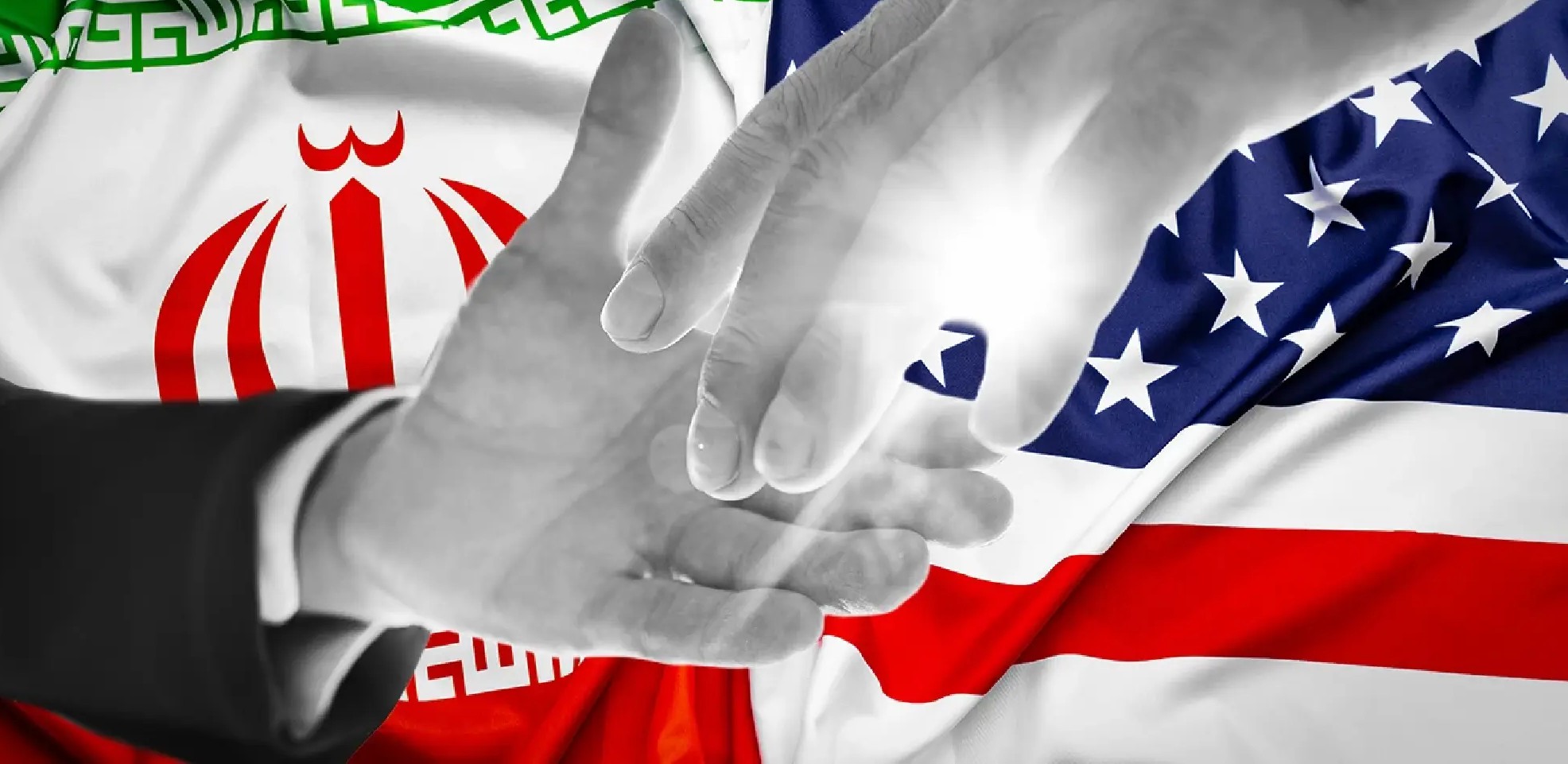
The 60 day understanding signed by US President Donald Trump in June to end the conflict with Iran and address the dispute over Tehran’s nuclear programme expired on Monday. The agreement called for a pause in military action and the reopening of shipping through the Strait of Hormuz. However, the two sides failed to reach a lasting agreement that could pave the way for sustainable peace. Differences over control and security arrangements in the strategic waterway also remained unresolved.
Tensions rose again within days of the agreement. The US accused Iran of attacking vessels travelling along the Omani coast and subsequently intensified its strikes on Iran. Tehran then targeted US military facilities in countries including Jordan, Kuwait and Bahrain. Washington responded by restoring restrictions on Iranian oil exports and continuing the blockade of Iranian ports. Both sides have since accused each other of violating the June understanding, while none of its key provisions has been fully implemented.
Iranian officials say direct talks with Washington were suspended in June, although messages from the US have continued to reach Tehran through intermediaries. Trump, meanwhile, has said intermittent discussions have continued and that some progress was made after major attacks were halted. Pakistan, which played an important role in the negotiations, has expressed hope that the agreement could be extended despite its expiry. The situation around the Strait of Hormuz remains a major concern because prolonged tensions could affect global oil supplies and the wider economy.













Comments (0)
No comments yet
Be the first to comment!