
Politics


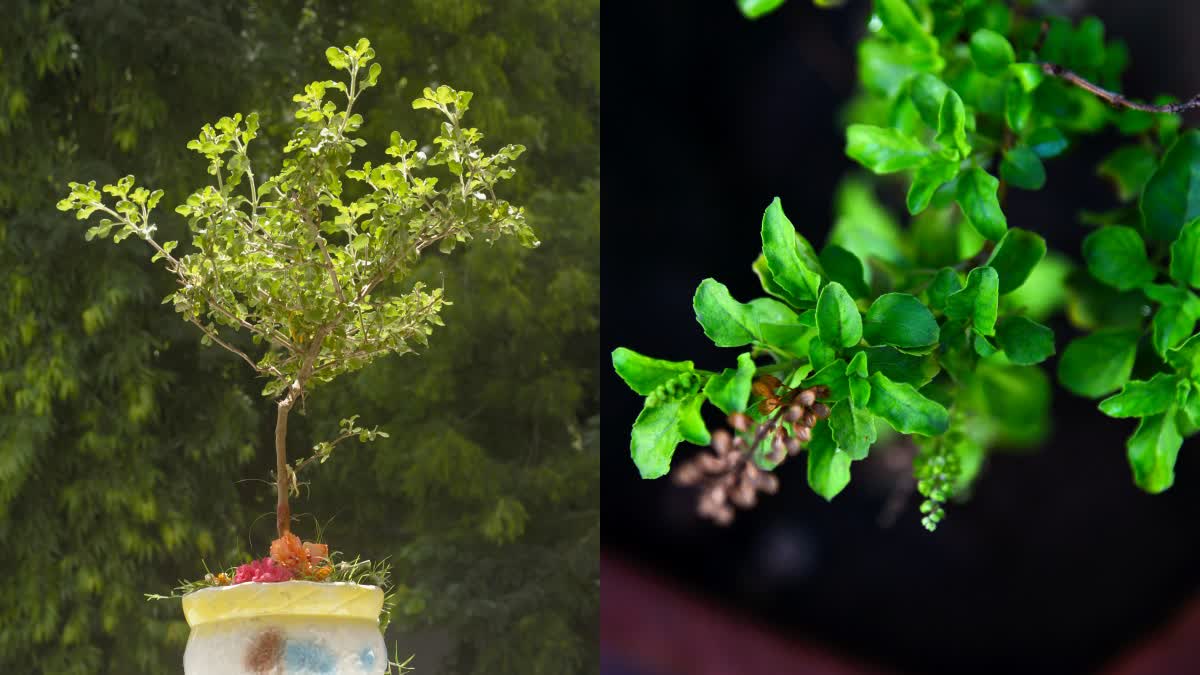
Tulasi Kalyanam holds a special place in Hindu traditions and is traditionally celebrated on Kartika Shukla Dwadashi. On this occasion, devotees worship the Tulasi plant as an embodiment of Goddess Lakshmi and the Amla tree as a representation of Lord Vishnu. According to the Skanda Purana, Tulasi was Vrinda in her previous birth, the devoted wife of the demon king Jalandhara. Her devotion protected her husband from death until Lord Vishnu intervened to restore cosmic balance. Following these events, Tulasi, Amla and Malati are believed to have emerged from seeds associated with the divine goddesses. This legend forms the spiritual foundation of the Tulasi Kalyanam tradition.
The ritual is performed in different ways across India, with devotees following their regional customs. At home, the area around the Tulasi plant is cleaned and decorated with colourful rangoli. The Tulasi plant is adorned like a bride with turmeric, vermilion, flowers and ornaments, while an Amla branch or Saligrama is decorated as the groom. Devotees perform Shodashopachara puja, light ghee lamps, exchange sacred garlands, conduct traditional wedding rituals and offer sweets as naivedyam. The ceremony concludes with mangala harathi and pradakshinas. Inviting a married couple, offering them food and performing the Tulasi Vivaha puja are also considered auspicious. Devotees believe that participating in this ceremony brings prosperity, happiness and marital blessings. However, these beliefs are rooted in religious traditions and may not have scientific evidence.
















Comments (0)
No comments yet
Be the first to comment!