


General


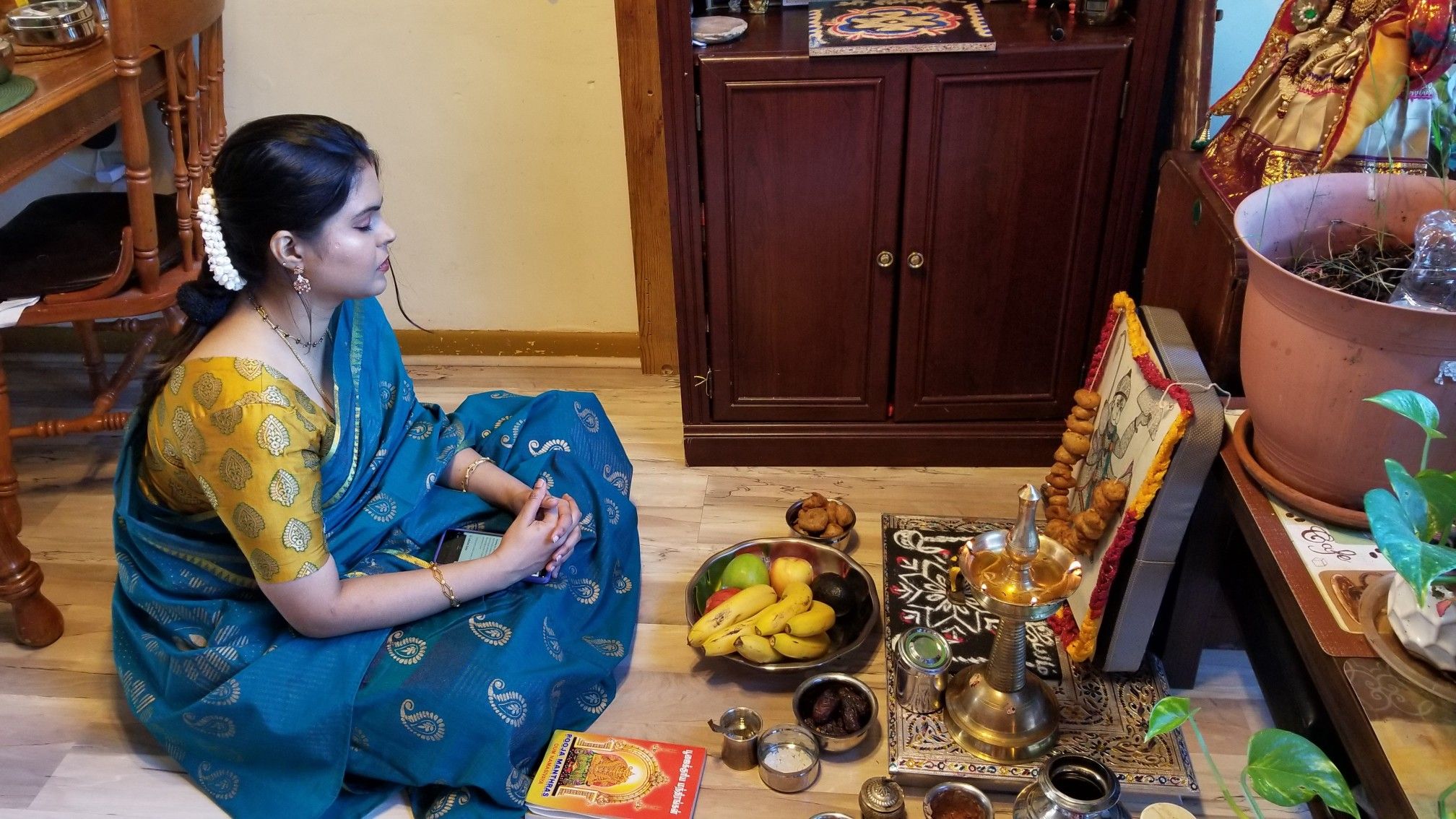
Nomulu and vratas have a significant place in Hindu tradition. They are traditionally observed with the belief that they bring marital happiness, family prosperity, children’s well-being, mental peace and divine blessings. Shravana Masam is particularly associated with several such observances. Many vratas followed by women are connected with different stages and aspirations of family life, including marriage, marital well-being and children’s welfare.
Traditionally, women have been the primary practitioners of many vratas. The customs are generally understood not as practices performed solely for personal benefit, but as observances associated with the welfare of the husband, children and the entire family. Different occasions have different vratas, such as Atla Tadde for marriage, Mangala Gowri Vratam for marital well-being and Polala Amavasya for children’s welfare.
Traditional accounts also suggest that these practices served as a form of cultural and social learning for girls in earlier times. Through rituals such as applying kumkum, offering flowers and fruits, and giving tambulam to married women, children were introduced to customs, respect for elders, discipline and social etiquette.
Several vratas are described in the Skanda Purana through the dialogue between Lord Shiva and Goddess Parvati. According to the traditional narrative, Lord Kumara Swamy seeks guidance on ways to help people overcome difficulties, after which Lord Shiva explains various vratam procedures to Goddess Parvati. These teachings are traditionally regarded as guidance for people seeking spiritual and material well-being.
Traditional astrology also associates certain vratams and offerings with planetary influences. Giving tambulam, betel leaves, areca nuts and other offerings is believed in traditional practice to have spiritual significance. However, such claims are based on religious and astrological beliefs and do not necessarily have modern scientific evidence.
The deeper message associated with many vratams is also said to be charity, sharing resources with others, respecting fellow human beings and strengthening social relationships. Vratakathas often emphasise good conduct, devotion, discipline and following a righteous path. Thus, the traditions are viewed not only as religious observances but also as practices intended to encourage values such as generosity, self-control and social harmony.
Note: The information above is based on traditional beliefs, scriptures and customary practices. Not all religious or astrological claims mentioned here have modern scientific evidence. Readers may understand and follow these practices according to their personal faith and beliefs.






Comments (0)
No comments yet
Be the first to comment!