Politics

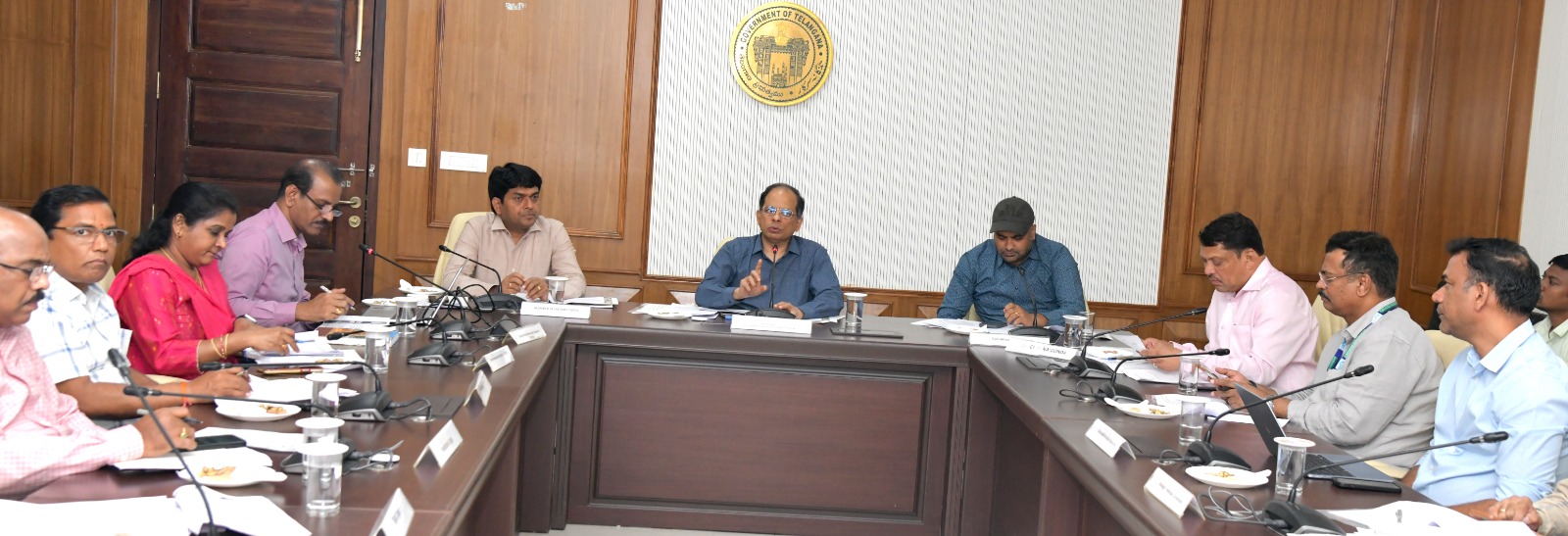
Telangana is strengthening its efforts to improve air quality through a comprehensive action plan being implemented under the Air Quality Monitoring Committee (AQMC) in accordance with Central Pollution Control Board (CPCB) guidelines. A review meeting chaired by Forest, Environment, Science and Technology Department Principal Secretary and AQMC Chairman Ahmed Nadeem, with Telangana Pollution Control Board (TGPCB) Member Secretary and Committee Member Convenor Ravi, was held at the Secretariat. The meeting reviewed air-quality trends, pollution-source control, road-dust management, vehicle emissions, industrial pollution, agricultural residue burning and the implementation of the National Clean Air Programme (NCAP). Officials from GHMC, Cyberabad and Malkajgiri corporations, Nalgonda district administration, transport, traffic, agriculture, civil supplies and other departments participated. The committee noted that annual average PM10 levels declined from 86 to 80 µg/m³ in Hyderabad and from 87 to 78 µg/m³ in Sangareddy between 2019–20 and 2025–26, while Nalgonda recorded 71 µg/m³ in 2025–26. AQI levels were largely recorded in the ‘Satisfactory’ to ‘Moderate’ categories.
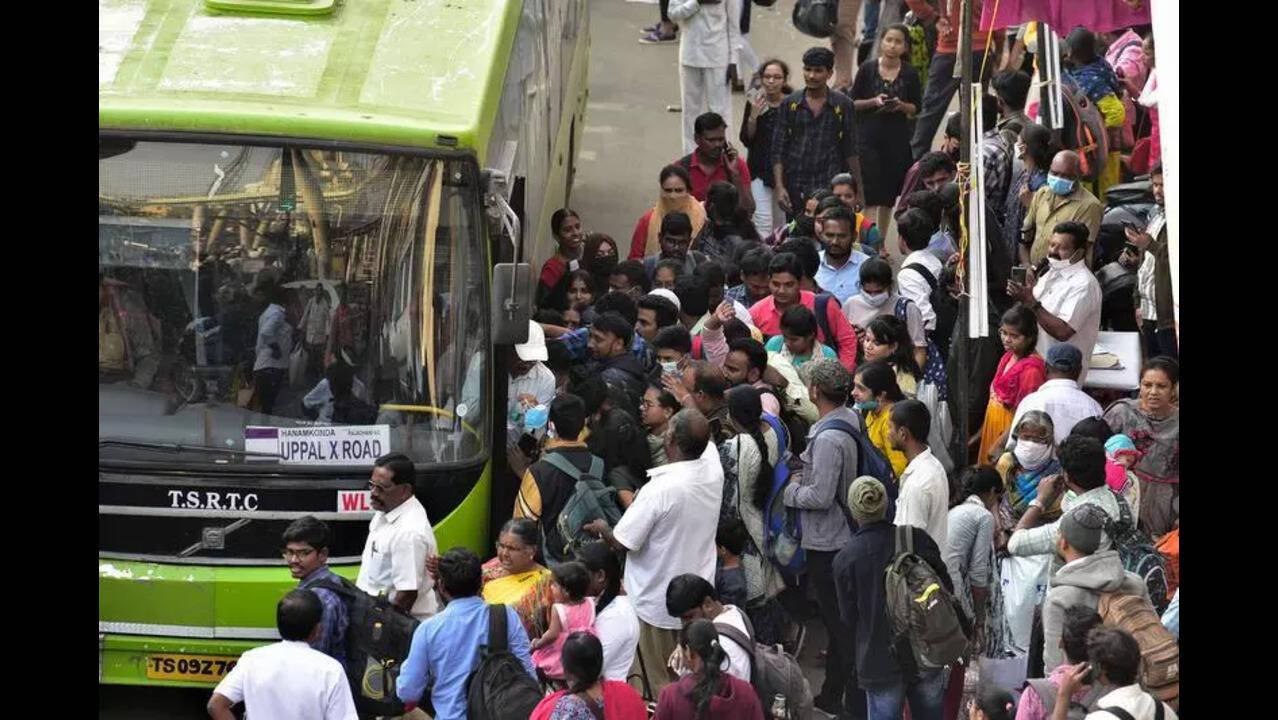
The committee is expanding continuous air-quality monitoring through 13 CAAQMS stations, an air-quality dashboard and SMS alerts, along with low-cost sensors in industrial, recycling, construction and demolition areas. Measures include mechanical road sweeping, road improvement, green cover, Miyawaki plantations, promotion of electric vehicles, strengthening of the PUC system and expansion of electric buses in Hyderabad. TGSRTC is currently operating 310 electric buses within GHMC limits, with further expansion planned. Source Apportionment Studies in Nalgonda and Sangareddy and a state-level Emission Inventory are also being undertaken to scientifically identify pollution sources. The committee welcomed Nalgonda’s Ward 16 securing second place nationally in the ward-level Swachh Vayu Survekshan and receiving a ₹20 lakh award. Officials stressed that coordinated action by transport, municipal, traffic, industries, agriculture and other departments, along with public participation and scientific data, is essential for improving air quality across Telangana.






Comments (0)
No comments yet
Be the first to comment!