
Politics


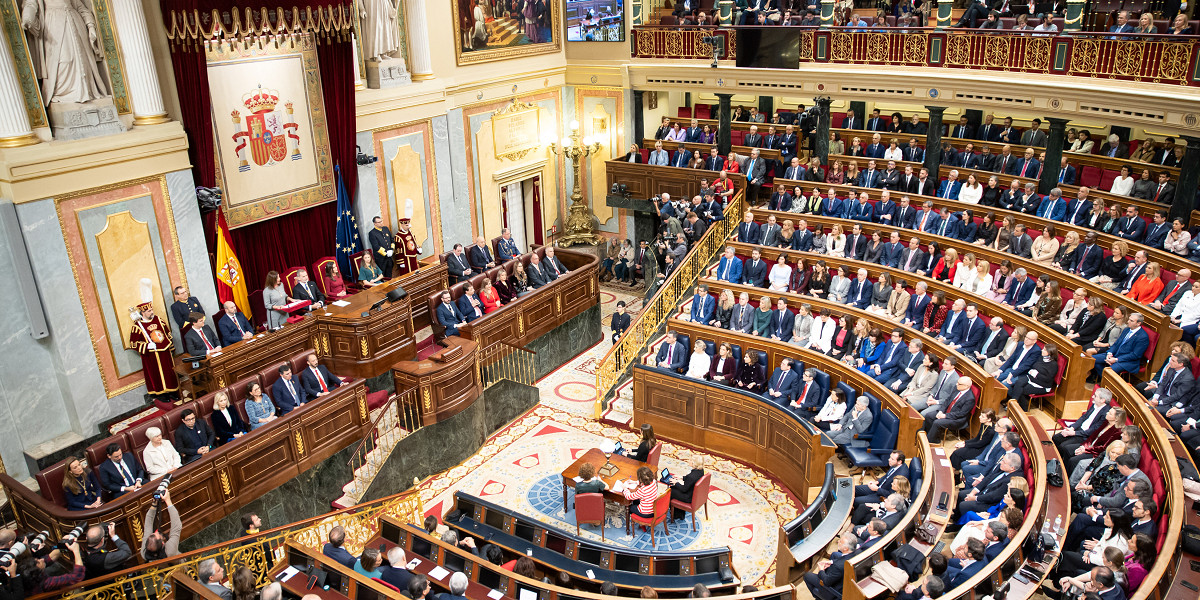
Spain is set to hold snap general elections on Sunday, November 29, amid a deepening housing crisis, controversy over immigration and corruption allegations surrounding Prime Minister Pedro Sánchez’s government. Sánchez called the early elections after Parliament rejected his minority government’s proposed housing relief measures, while rising rents and property prices triggered widespread protests across the country. The election could also mark a significant political shift, with the far-right Vox party potentially entering the national government for the first time since Spain returned to democracy following the end of Francisco Franco’s dictatorship. Voters will elect representatives to the 350-seat Congress of Deputies and the Senate. Around 3.87 crore people are expected to exercise their voting rights, and a party or alliance needs at least 176 seats in the lower house to secure a majority.
The main contest is between the Spanish Socialist Workers’ Party (PSOE), led by Sánchez, the centre-right People’s Party (PP), headed by Alberto Núñez Feijóo, and the far-right Vox, led by Santiago Abascal. Housing affordability, immigration and corruption allegations have emerged as the key campaign issues. Spain is facing an estimated shortage of around 750,000 homes, while rents have risen sharply over the past decade, making housing increasingly unaffordable, particularly for young people. Sánchez’s government has supported regularising the status of undocumented migrants, while Vox has called for their deportation and the PP has promised tighter border controls. Opposition parties have also focused on corruption investigations involving people close to the Prime Minister and former Socialist officials. With regional parties likely to influence the final numbers, post-election coalition negotiations could play a decisive role in determining who forms the next government.













Comments (0)
No comments yet
Be the first to comment!