
Sports


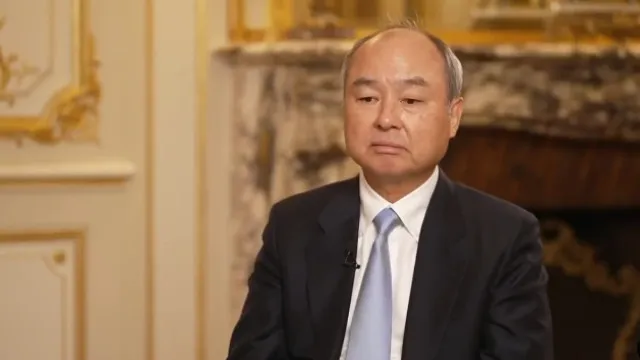
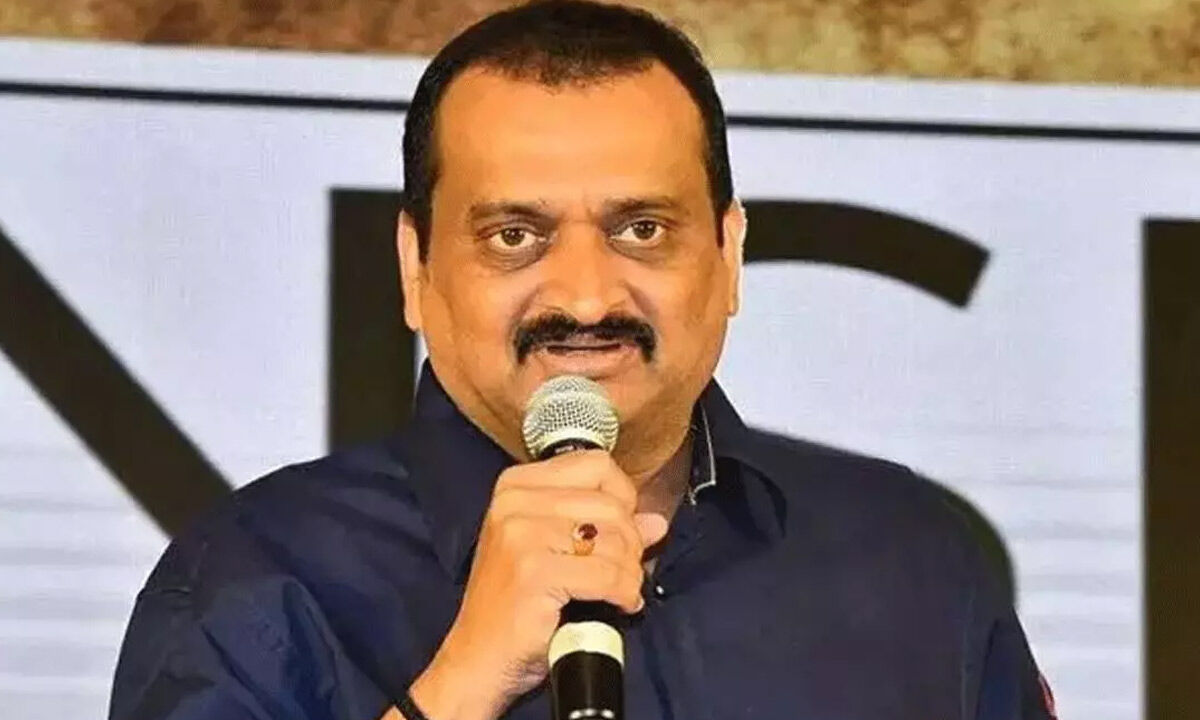
Masayoshi Son, CEO of SoftBank and one of the biggest investors in the artificial intelligence sector, has issued key warnings about the future of AI. He expressed concern that superintelligence (SI) could become “extremely dangerous” if it falls into the wrong hands. He made these remarks at the Science and Technology Forum conference held in Kyoto, Japan.
Speaking at the event, Masayoshi Son stressed that trust and cooperation among countries are essential at a time when AI capabilities are advancing rapidly and unpredictably. He called on countries around the world to work together to control powerful AI, warning that humanity no longer has the luxury of fighting among itself while facing an even greater potential threat from advanced AI.
Son has frequently highlighted the enormous benefits AI could bring to humanity, making his more cautious remarks particularly significant. His comments come amid growing concerns over the safety of AI models. SoftBank has reportedly invested around 65 billion dollars in OpenAI.At the same forum, White House Science and Technology Policy Adviser Michael Kratsios announced the formation of a US-led coalition aimed at using AI to accelerate scientific research. Seventeen countries, including Japan, South Korea, the UK, Germany, Singapore and the UAE, are part of the initiative. China was not included in the initial list of participants.
Kratsios said the coalition would eventually establish automated cloud laboratories where robotic systems could conduct hundreds of experiments simultaneously. According to him, this could enable research that normally takes years to be completed within just a few hours.Meanwhile, Masayoshi Son reiterated his long-term forecast that by 2040, AI and machine learning could account for at least 20 percent of global GDP, equivalent to around 46 trillion dollars.He said AI development would progress through three stages. The world is currently in the chatbot phase, which will be followed by a browsing and coding phase, and from next year, AI is expected to increasingly interact physically with robots and machines. Son emphasised that current developments are only the beginning.











Comments (0)
No comments yet
Be the first to comment!