

General


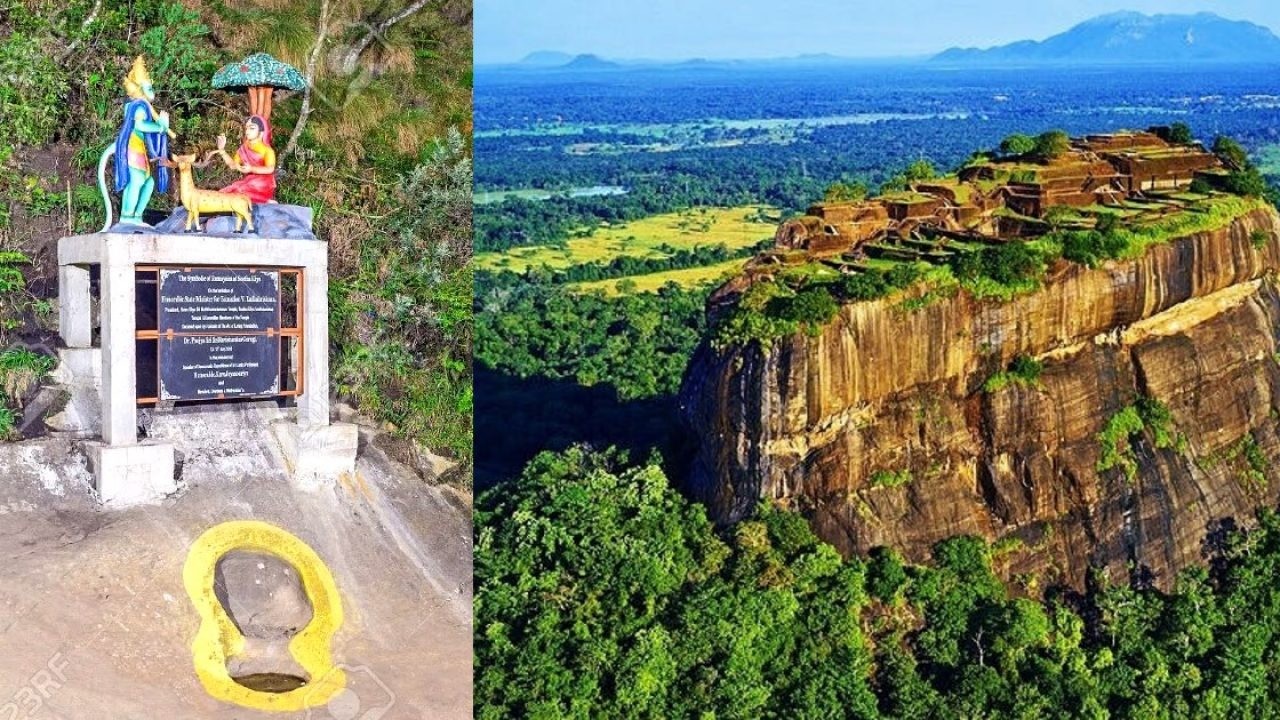
The Ramayana is one of India's most revered epics, and its stories continue to capture the imagination of people across generations. With the film Ramayana drawing attention from audiences worldwide, interest in the epic's legendary locations has also grown. Several places across India, Nepal and Sri Lanka are traditionally associated with important events in Lord Rama's life. From his birthplace and the kingdom of King Janaka to the forests where he spent his exile, these destinations hold immense religious and cultural significance. Ayodhya in Uttar Pradesh is regarded as the birthplace of Lord Rama. Situated on the banks of the Sarayu River, it was once the capital of the ancient Kosala kingdom. The Ram Janmabhoomi Temple, Hanuman Garhi and Kanak Bhavan are among the prominent places visited by devotees. Mithila, associated with King Janaka and Goddess Sita, is another important destination. Present-day Janakpur in Nepal is traditionally identified with Sita's birthplace and is home to the famous Janaki Temple, which attracts devotees from India and other countries.
Chitrakoot, located across parts of Uttar Pradesh and Madhya Pradesh, is closely associated with Rama's exile. According to traditional accounts, Rama, Sita and Lakshmana spent a considerable part of their 14-year exile in this region. It is also believed to be the place where Bharata met Rama and requested him to return to Ayodhya. Ram Ghat, Kamadgiri Hills and Bharat Milap Temple are among its major attractions. Panchavati, situated in Nashik, Maharashtra, on the banks of the Godavari River, is another significant location. According to the epic, Rama, Sita and Lakshmana stayed here during their exile. The episode involving Lakshmana cutting off Shurpanakha's nose is also traditionally associated with this place. Visitors can explore the Kalaram Temple and Sita Gufa, along with the riverfront. Further south, Hampi in Karnataka is traditionally associated with Kishkindha, the kingdom of the Vanaras. It is believed that Rama and Lakshmana met Hanuman in this region while searching for Sita. Anjanadri Hills, regarded by many devotees as Hanuman's birthplace, is a prominent pilgrimage destination here.
Rameswaram in Tamil Nadu is another important destination linked to the Ramayana. According to the epic, Rama and the Vanara army reached this coastal region before building the bridge to Lanka, popularly known as Ram Setu. The Ramanathaswamy Temple is one of the major pilgrimage attractions in the town. Sri Lanka, traditionally identified with Ravana's kingdom of Lanka, also has several locations associated with the epic. These include the Seetha Amman Temple at Seetha Eliya, Seetha Kotuwa near Gurulupotha and the Ravana Cave near Ella. The hill regions of Nuwara Eliya and several other places are also connected with local Ramayana traditions. Together, these destinations across India, Nepal and Sri Lanka offer devotees and travellers an opportunity to explore the religious, cultural and legendary landscapes associated with the Ramayana.













Comments (0)
No comments yet
Be the first to comment!