
Business


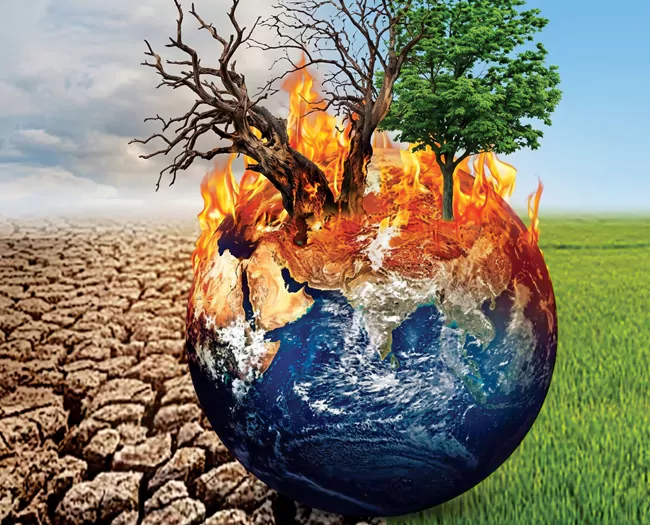
El Niño may remain strong until February next year, according to current studies cited by Dr Francis A. Pavanathara, a scientist at the Indian National Centre for Ocean Information Services (INCOIS). He explained that rising sea-surface temperatures, increased heat storage in the upper ocean and widespread marine heatwaves can affect rainfall patterns, marine ecosystems, fisheries and coastal regions. Prolonged ocean warming can damage coral reefs, alter fish migration patterns and disrupt breeding and the development of young fish. INCOIS is planning a comprehensive study with national and international experts to better understand the causes of these changes and their environmental impacts.
Dr Pavanathara also highlighted the role of the Indian Ocean Dipole (IOD), a climate pattern linked to differences in sea-surface temperatures between the eastern and western Indian Ocean. A positive IOD can sometimes offset some of El Niño’s adverse effects on Indian monsoon rainfall. However, accurately forecasting the IOD remains a challenge, and improved prediction systems are needed. The timing of El Niño’s development and the formation of the IOD are both important for monsoon forecasts. Current studies suggest that El Niño may begin weakening after February, potentially entering a transition phase from March. However, its subsequent development remains uncertain.











Comments (0)
No comments yet
Be the first to comment!