
General


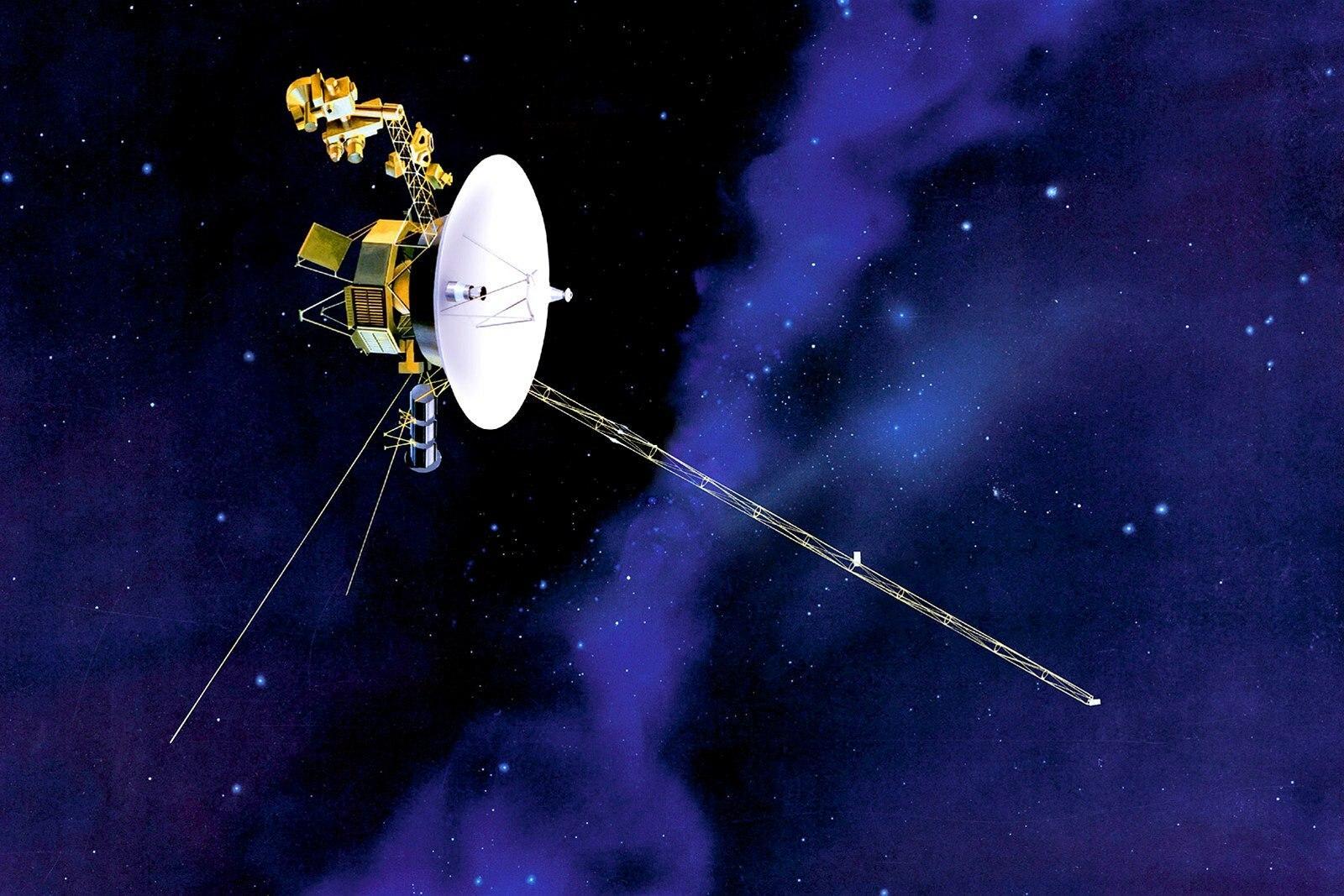
NASA's Voyager 1 spacecraft has achieved a historic milestone by travelling approximately one light-day away from Earth, becoming the first human-made object to reach this distance. A light-day refers to the distance light travels in 24 hours, which is approximately 26 billion kilometres. Launched in 1977, Voyager 1 is currently travelling at an estimated speed of 61,000 kilometres per hour, according to NASA. The achievement highlights the remarkable progress of human space exploration and the extraordinary durability of the spacecraft, which has continued transmitting scientific information decades after its launch.
The Voyager programme was launched by NASA to study the outer planets of the Solar System and the vast region beyond the Sun's heliosphere, known as interstellar space. Voyager 1 was launched on September 5, 1977. During its journey, it flew past Jupiter in 1979 and Saturn in 1980 before crossing the boundary of the heliosphere and entering interstellar space in 2012. NASA estimates that the spacecraft would need approximately another 18,000 years to travel one light-year. Its latest milestone marks another significant chapter in the history of space research and demonstrates how far human technology can travel beyond Earth.

















Comments (0)
No comments yet
Be the first to comment!