General



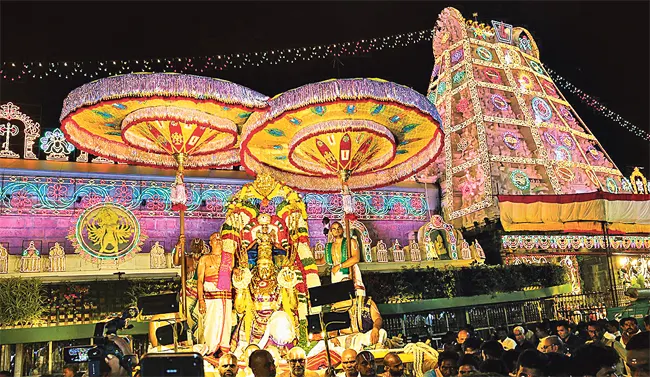
The 15-day period beginning the day after the full moon in the Hindu month of Bhadrapada and continuing until the new moon is known as Mahalaya Paksha or Pitru Paksha. This year, the period is observed from September 27 to October 10. According to Hindu traditions, these days are considered especially significant for remembering ancestors and performing rituals such as Shraddha and Tarpanam. Auspicious ceremonies are traditionally avoided during this period, with devotees instead giving importance to ancestral rites. Religious traditions hold that honouring ancestors and fulfilling one's Pitru Runa, or ancestral obligation, brings their blessings. Various religious texts, including sections associated with the Skanda Purana and Garuda Purana, describe the significance of ancestral rituals.
During Mahalaya Paksha, families traditionally perform sesame and water offerings, Shraddha rituals, Pinda Pradanam and charitable activities in the name of their ancestors. Performing these rituals at sacred river banks and pilgrimage centres is also part of the tradition. Religious narratives associate the origin and significance of Mahalaya Paksha with ancient stories involving the devas, asuras, sages and warriors. Traditions such as Yati Mahalaya and Shastra Hata Mahalaya are also associated with this period in certain accounts. Mahalaya Amavasya is regarded as a particularly significant day for ancestral worship. Practices may vary according to family traditions, regional customs and religious guidance.









Comments (0)
No comments yet
Be the first to comment!